Interested in working together? Get in touch today.

Turnkey Project Management Benefits for Civil Infrastructure Projects

turnkey project management

Managing a civil infrastructure project can be a logistical nightmare. Between multiple trades, shifting deadlines and tight budgets, things can go off track fast. That’s where turnkey project management makes sense. By using a single provider to manage the full scope from planning to delivery, projects run smoothly and finish faster.

This guide outlines the practical benefits of turnkey project management, especially for large-scale builds in the civil sector.

What is Turnkey Project Management?

Turnkey project management is a fully integrated service where one contractor handles every stage of a project. That includes design, procurement, construction, installation and handover.

The idea is simple. One team, one contract, one clear outcome. The client doesn’t need to coordinate separate trades or juggle shifting timelines.

At BRP Industries, we deliver turnkey solutions across civil, electrical, data, security and telecommunications sectors. From initial scope to final sign-off, we manage it all.

Why Use Turnkey Project Management in Civil Infrastructure?

Civil projects often involve a mix of underground services, heavy machinery, regulatory compliance and multiple specialist trades. Keeping all of that aligned can be difficult, especially when contractors operate in silos.

Turnkey project management fixes that problem by offering:

  • Centralised coordination
    Everything runs through one point of contact, reducing errors and duplication.
  • Clear accountability
    There’s no confusion about who’s responsible. We own the outcome.
  • Streamlined communication
    Faster responses and fewer delays as updates are managed internally.
  • Integrated planning
    Our in-house team coordinates across all trades and timelines to avoid clashes.

This approach has worked seamlessly across regional and metro areas, including the Central Coast and Sydney, where tight coordination is critical for public works.

5 Key Benefits of Turnkey Project Management

Here’s a breakdown of how a turnkey model provides value in real-world infrastructure projects.

1. Faster Project Timelines

With a single provider managing every trade, there are fewer delays between phases. There’s no waiting around for external contractors or chasing multiple suppliers for updates.

At BRP Industries, we handle all services under one roof, which means smoother handovers between disciplines like electrical and civil. This helps projects stay on track, especially in high-pressure environments like those we manage in Brisbane and Gold Coast.

2. Greater Budget Control

Turnkey providers price projects based on the full lifecycle, not just individual components. That means:

  • Reduced overheads
  • More accurate forecasting
  • Fewer unexpected costs from scope creep or rework

When one team manages the entire job, errors are caught early. You don’t waste time fixing avoidable problems caused by a lack of oversight between subcontractors.

3. Better Quality Assurance

A centralised team working toward a single goal can enforce consistent standards across all trades. This is particularly important in projects that combine civil, electrical and communication systems.

Our internal QA processes are standardised, whether we’re rolling out a complex security system in Newcastle or managing a multi-service install in Canberra.

4. Lower Project Risk

Turnkey delivery reduces risk on several fronts:

  • Fewer contractual disputes
    No blame-shifting between subcontractors.
  • Consistent safety protocols
    A single team follows one set of site rules.
  • Proactive issue resolution
    Problems are identified and resolved internally before they escalate.

Our project managers are trained to foresee delays, material shortages or coordination issues before they hit critical stages.

5. Simpler Stakeholder Reporting

Clients often struggle to stay across the details when managing multiple subcontractors. A turnkey provider simplifies updates, reporting and sign-off.

With BRP Industries, clients receive consistent communication and clear milestone tracking from one project lead. We’ve found this makes a real difference on public-sector builds, where transparency and compliance are under constant scrutiny.

Turnkey Project Management Benefits for Civil Infrastructure Projects 1

Use Cases: Where Turnkey Management Works Best

Turnkey is especially useful for complex builds that require input from several trades. It allows infrastructure projects to maintain momentum and avoid bottlenecks.

Common use cases include:

  • New utility installations
    Combining civil excavation, electrical cabling and communications.
  • Public infrastructure upgrades
    Large-scale jobs where safety, access and timing must be tightly managed.
  • Security and surveillance installations
    Integrating physical cabling, power and access control systems.
  • Transport networks
    Coordinating civil works with electrical signalling and data layers.

We’ve delivered turnkey solutions across all of these categories, including major works in Central Coast and urban zones like Sydney, where timelines and public disruption must be minimised.

Comparing Turnkey vs Traditional Project Delivery

Here’s a simple comparison to highlight the key differences.

FeatureTurnkey ModelTraditional Model
Project controlSingle point of accountabilityMultiple parties with shared control
Timeline efficiencyHighMedium to low
Risk exposureCentralised and reducedSpread across contractors
Quality managementConsistent across tradesVaries between providers
CommunicationOne channelMultiple stakeholders
Budget controlHigh transparencyProne to variation

For projects requiring precision, speed and scale, turnkey is the more efficient option.

Regional Capability: Why It Matters

Civil infrastructure isn’t one-size-fits-all. Each region brings its own challenges, from terrain to regulation.

BRP Industries operates across multiple regions, including Brisbane, Newcastle, and Canberra, tailoring solutions to local conditions. Our regional presence means we can mobilise quickly and maintain local supply chains, which helps reduce delivery times and project costs.

We also work closely with councils and developers to align builds with local infrastructure requirements.

Is Turnkey Right for Your Project?

While turnkey isn’t the right fit for every build, it’s ideal for projects that need:

  • Multiple services integrated under one plan
  • A reliable timeline and cost structure
  • Full-service delivery from concept to completion
  • Reduced risk of miscommunication or non-compliance

If you’re working on a civil or infrastructure project that requires speed, structure and clarity, turnkey could be the smarter route.

Want a Smarter Way to Deliver Your Next Project?

Turnkey project management isn’t just a buzzword. It’s a practical, proven method for delivering infrastructure projects on time, on budget and without the chaos.

At BRP Industries, we bring together multi-skilled trades, project managers and industry experts to make sure your project runs smoothly from the first call to final handover. If you’re ready to simplify your next infrastructure build, get in touch with BRP Industries. We’re ready when you are.

Directional Drilling Projects Supporting Renewable Energy in 2026

directional drilling projects

Australia’s renewable energy sector is evolving rapidly. From large-scale solar farms to decentralised wind generation and smart city infrastructure, one common challenge remains: how to install underground services efficiently, cost-effectively, and with minimal disruption.

Directional drilling has become the go-to solution for connecting renewable energy projects to the grid. As 2026 approaches, this trenchless technology is helping developers, councils, and contractors complete complex infrastructure with speed and precision, without tearing up the landscape.

In this blog, we explore how directional drilling is supporting renewable energy rollouts and why companies like BRP Industries are leading the charge.

What is directional drilling, and why is it used in renewables?

Directional drilling (also referred to as horizontal directional drilling or HDD) is a method used to install underground utilities without traditional trenching. It allows pipes, conduits and cables to be laid along precise underground paths, even beneath rivers, roads and built-up areas.

This is ideal for renewable energy installations where the environment must be preserved and surface disruption minimised.

Whether it’s a solar farm in regional NSW or EV charging infrastructure in Brisbane, directional drilling is the preferred technique to get underground services from point A to B with minimal impact.

How directional drilling supports renewable energy projects

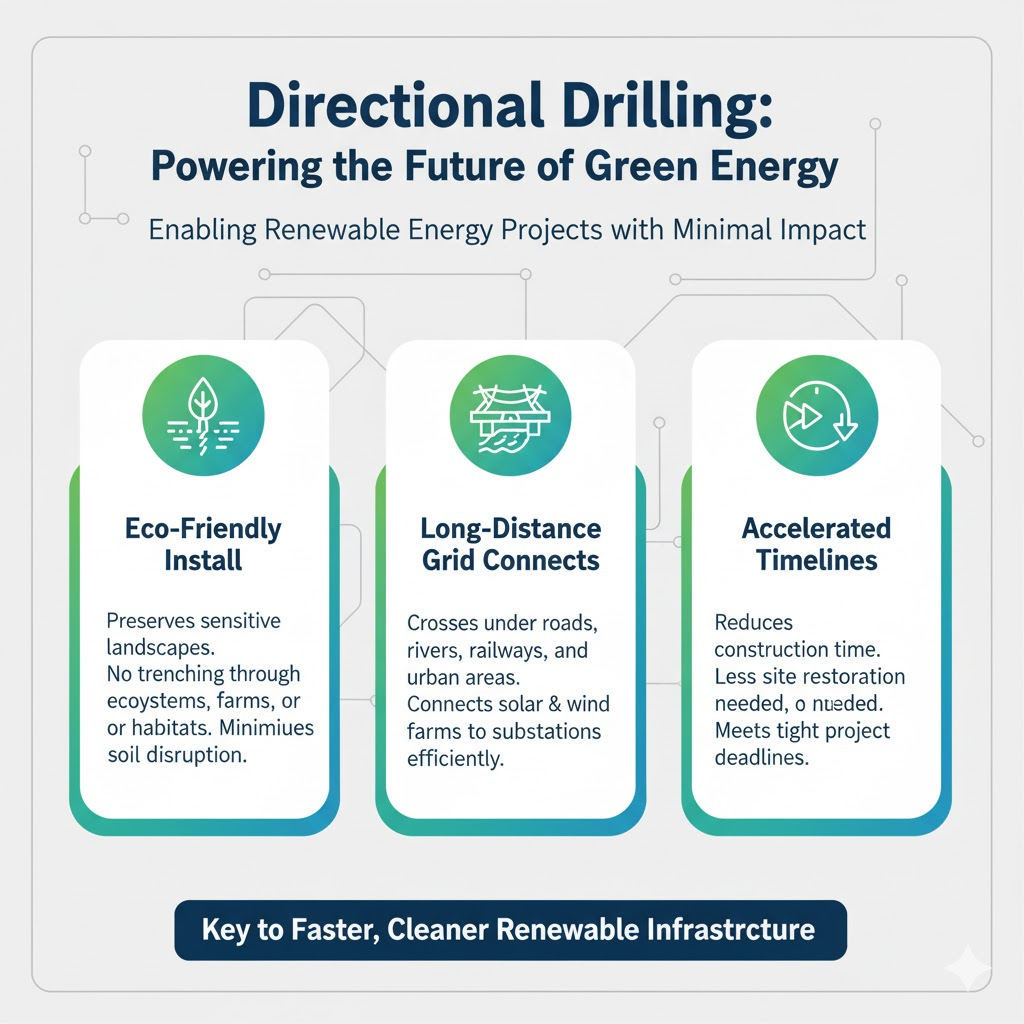
  1. Environmental preservation
    Large-scale solar and wind projects are often located in areas with sensitive terrain, agriculture or native ecosystems. Using directional drilling allows essential infrastructure to be installed with minimal excavation or damage to the surface.
  2. Grid connections across long distances
    Renewable projects require electrical and data cabling to connect them to substations and national networks. Directional drilling allows these services to cross long distances, including under roadways, rail corridors or waterways.
  3. Rapid project timelines
    With trenchless methods, downtime and site restoration are significantly reduced. This is particularly valuable when working to tight construction deadlines or during weather-sensitive windows.
How directional drilling supports renewable energy projects

The team at BRP Industries has delivered directional drilling solutions for energy infrastructure projects across the East Coast, including recent work in Sydney and the Central Coast, supporting local councils and private developers.

The role of directional drilling in solar farm infrastructure

Installing underground services in and around solar farms requires a non-invasive approach. Trenches can damage existing vegetation, require lengthy remediation, and interrupt operations.

Directional drilling allows:

  • Conduits to be installed under internal access roads without cutting through gravel or concrete
  • Electrical lines to connect panels to switchboards and substations with no surface disturbance
  • Telecommunications and fibre lines to enable remote monitoring of solar systems

In projects across regions like Newcastle, solar developers are increasingly specifying HDD as the default method for underground installation. It offers both environmental protection and cost savings in the long term.

Wind farms and directional drilling: a practical partnership

Wind energy projects face unique geographical challenges. Often located in elevated or coastal regions, these sites typically span vast areas and require high-voltage underground cabling.

Directional drilling plays a key role by:

  • Allowing cable installation under slopes and rough terrain
  • Crossing beneath public roads without needing council road opening permits
  • Preserving native vegetation zones or animal corridors

In locations like Canberra, where wind farm development is ramping up, HDD techniques help simplify approvals and improve the environmental profile of the project.

Electric vehicle infrastructure and smart cities

As EV adoption increases, so does the need for charging infrastructure. Cities across Australia are upgrading streetscapes to include public and private chargers, most of which require an underground electrical supply.

Directional drilling is used to:

  • Install conduits beneath footpaths, kerbs and carparks
  • Connect charging stations to the main grid or microgrid
  • Integrate EV chargers with smart energy management systems

In Gold Coast, the shift to smart city infrastructure includes trenchless installation of fibre networks and power cabling, all of which benefit from HDD’s clean, efficient approach.

What’s new in directional drilling technology for 2026?

The trenchless industry is embracing automation and improved geotechnical analysis tools to boost accuracy and safety. In 2026, we’re seeing directional drilling evolve with:

  • Real-time tracking and GPS-guided rigs
    Improves bore path accuracy and reduces the risk of utility strikes.
  • Advanced ground condition analysis
    Helps contractors avoid problem soils and reduce project risk.
  • Electric drill rigs
    Lower emissions and quieter operation, ideal for urban sites or environmentally sensitive areas.
What’s new in directional drilling technology for 2026
image

With rising expectations for sustainability and efficiency, civil contractors are prioritising HDD on tenders that involve renewable or public infrastructure.

Where BRP Industries fits in

BRP Industries offers a full range of HDD services with in-house project management, giving clients complete confidence from planning to handover. We bring together expertise in electrical, communications and civil works, which makes us a strong delivery partner on complex infrastructure jobs.

Clients value our ability to provide tailored solutions across different environments. Whether it’s directional drilling beneath busy city streets in Brisbane or navigating rural conditions on remote solar sites, BRP brings practical insight and reliable outcomes.

Our team has also supported cross-regional work involving multiple councils and utilities, managing the logistics and compliance needed for seamless execution.

Key benefits of working with BRP on directional drilling projects

  1. End-to-end delivery
    From design review to traffic control and reinstatement, everything is handled in-house.
  2. Multi-sector experience
    Projects spanning energy, telecommunications, data centres, government and civil infrastructure.
  3. Geographically flexible
    Operating across major regions including Sydney, Canberra, Gold Coast and more.
  4. Highly trained personnel
    Our tradespeople are qualified, ticketed and experienced across a wide range of field conditions.
  5. Transparent project communication
    Clients are updated through every stage, ensuring no surprises and minimal delays.

Where to next for renewable energy and trenchless delivery?

The renewable energy sector is forecast to expand significantly through 2026 and beyond. With federal and state incentives continuing to drive uptake, infrastructure requirements will become more complex and interconnected.

Directional drilling will remain a core strategy to manage this complexity, delivering power, data and control cabling with speed and efficiency.

Organisations looking to future-proof their energy and utility projects are already specifying HDD at the planning stage, especially where sensitive land or strict environmental conditions apply.

Let’s talk about your next directional drilling project

From solar and wind installations to EV charging rollouts, BRP Industries is ready to support your next infrastructure project with smart, trenchless delivery.

With a professional, multi-skilled team and extensive experience across sectors, we deliver directional drilling services that help renewable energy projects stay on track and under budget.If you’re planning a project and want expert input, contact us today to learn how we can assist with seamless underground delivery solutions across NSW and QLD.

Trenchless Technology Market Growth and Its Impact on Civil Utilities Construction

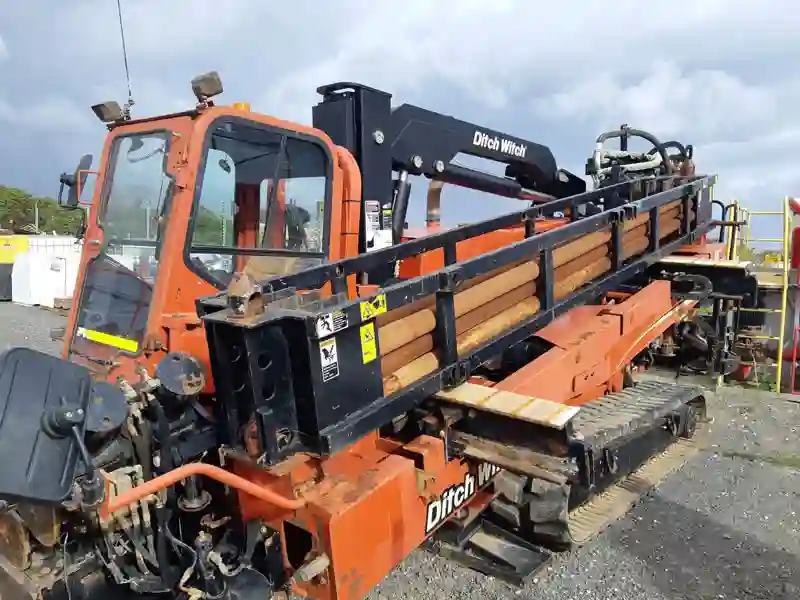
directional drilling central coast equipment

The construction industry has experienced a quiet revolution over the past decade, driven by innovations that reduce disruption, speed up delivery, and cut costs. At the centre of this change is trenchless technology. Once a niche method of underground installation, it’s now reshaping large-scale Civil Utilities Construction projects.

In this blog, we explore what’s driving the growth of the trenchless technology market, how it benefits infrastructure delivery, and why it matters for the future of Civil Utilities Construction.

What Is Trenchless Technology and Why Is It Gaining Traction?

Trenchless technology refers to a range of methods used to install or repair underground infrastructure with minimal surface disruption. Instead of digging up roads and footpaths, directional drilling and horizontal boring techniques allow crews to work underground while the surface stays largely untouched.

Its growth in popularity is being driven by:

  • Urbanisation: Cities like Sydney and Brisbane are expanding rapidly, requiring more underground services without disturbing existing infrastructure.
  • Environmental considerations: Trenchless methods help preserve green spaces and reduce emissions caused by excavation.
  • Improved efficiency: Compared to open-cut methods, trenchless techniques are faster and often more cost-effective.

Firms like BRP Industries are leading the way by delivering precise directional drilling in Sydney and other urban centres, meeting demand for modern, low-impact infrastructure solutions.

How Fast Is the Trenchless Technology Market Growing?

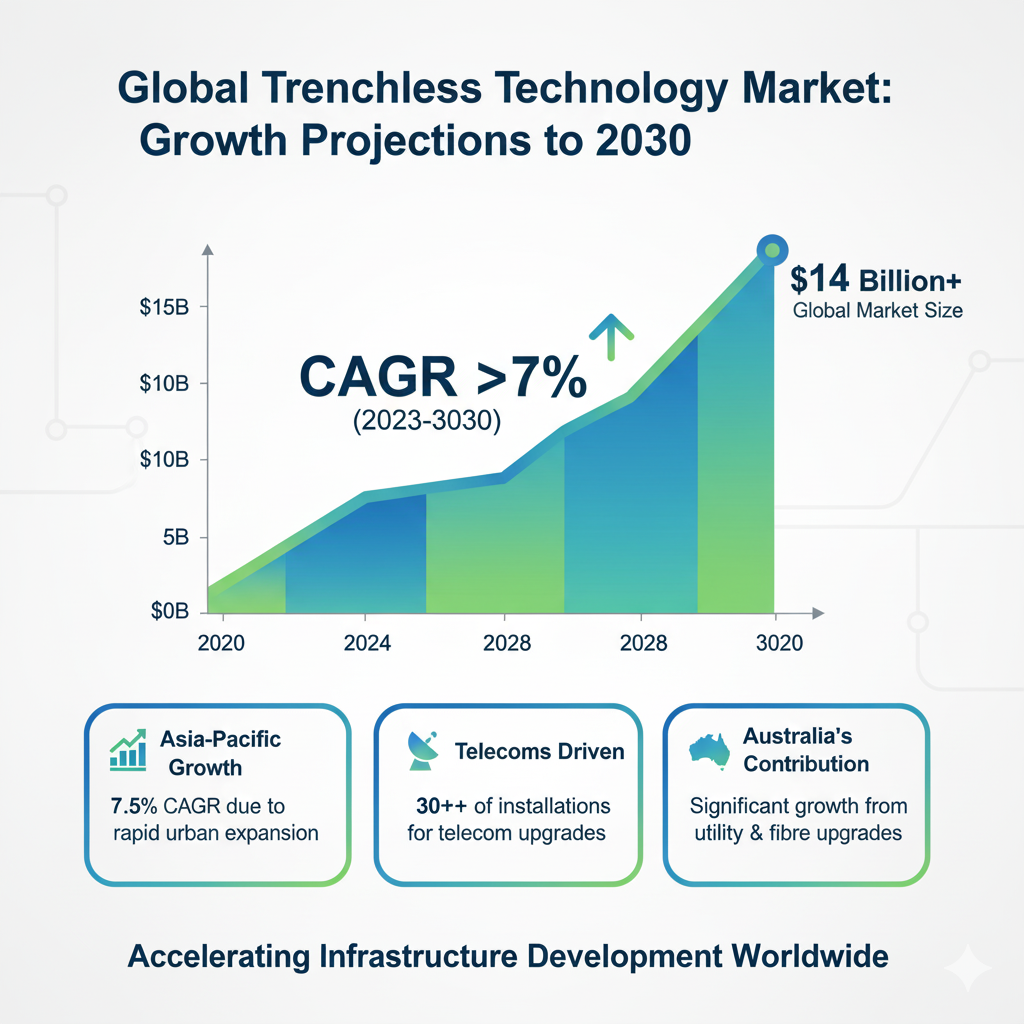
According to global market reports, the trenchless technology market is expected to grow at a compound annual growth rate (CAGR) of over 7% through to 2030. This is driven by major infrastructure investment across public utilities, telecommunications, and smart city developments.

Key market stats:

  1. $14 billion+ forecast global market size by 2030
  2. 7.5% CAGR across Asia-Pacific due to rapid urban expansion
  3. 30%+ of trenchless installations are linked to telecommunications upgrades
Trenchless Technology Market Growth and Its Impact on Civil Utilities Construction 1

Australia is seeing this momentum too. Cities such as Newcastle and the Gold Coast are upgrading stormwater, gas and fibre networks. BRP Industries is actively supporting this growth through its Newcastle trenchless services and Gold Coast horizontal drilling solutions.

What Are the Main Benefits of Trenchless Technology?

The growing demand for trenchless services is backed by clear benefits that appeal to both contractors and clients. Below are the top reasons Civil Utilities Construction firms are shifting towards trenchless methods.

1. Less Disruption to the Surface

Unlike traditional excavation, trenchless drilling avoids tearing up roads, driveways, or landscaped areas. This is a major advantage in built-up zones or sites with heavy foot and vehicle traffic. BRP’s Canberra directional drilling services are a perfect example of applying this method in dense urban environments.

2. Faster Turnaround

Without the need for extensive excavation or restoration, trenchless methods enable much faster installation of underground systems. This makes a big difference to timelines in complex infrastructure projects where delays can be costly. BRP’s project management services are designed to integrate trenchless tech into overall delivery plans for maximum efficiency.

3. Long-Term Cost Efficiency

Although initial setup costs can be slightly higher, trenchless drilling results in savings over time. There’s less labour, reduced spoil removal, and fewer hours spent restoring the site afterwards.

4. Safer for Workers and the Community

With fewer open trenches and heavy vehicles in the area, sites are generally safer. Trenchless solutions reduce the number of high-risk activities on site and lower the chances of disruption to existing services.

Which Industries Are Driving the Demand for Trenchless Technology?

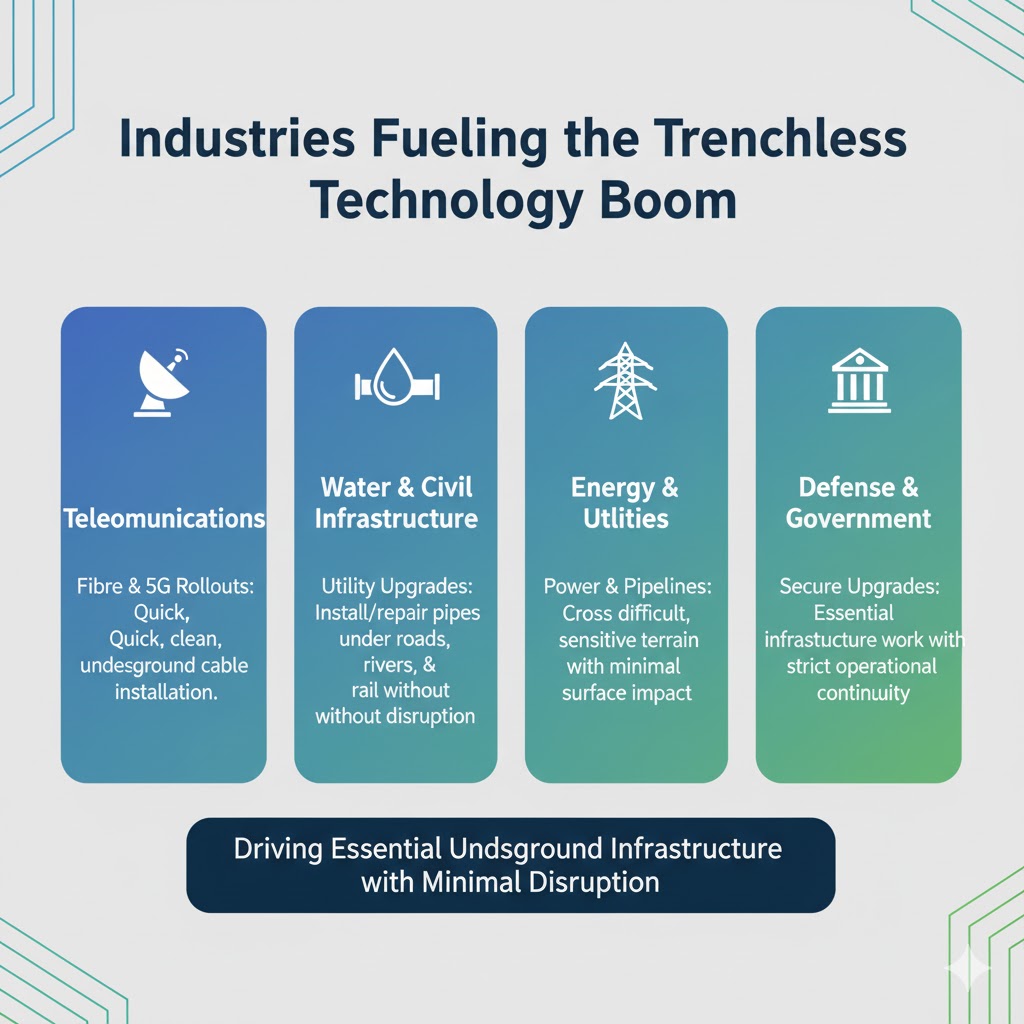
Trenchless technology is no longer a specialist tool for utilities. It’s now a must-have for a wide range of sectors that require underground installations with minimal disturbance.

Telecommunications

With fibre and 5G rollouts in full swing, the need for quick and clean underground cable installation is growing fast. BRP’s Central Coast directional drilling team is supporting telecom providers by connecting residential and commercial networks across NSW.

Water and Civil Infrastructure

Stormwater, sewer, and irrigation systems are all being upgraded in Australia’s cities and towns. Trenchless drilling makes it easier to pass under roads, rivers, and rail without closing them or causing detours.

Energy and Utilities

Power conduits and pipelines for gas or renewables often need to cross difficult terrain. Trenchless methods reduce surface disruption, which is especially useful in remote or environmentally sensitive areas.

Defence and Government

Government buildings and defence installations often have strict operational and security requirements. Trenchless drilling allows essential upgrades to take place without interfering with daily activities or drawing unnecessary attention.

Which Industries Are Driving the Demand for Trenchless Technology

What Does This Growth Mean for Civil Utilities Construction Professionals?

Trenchless technology is not just changing how underground infrastructure is installed. It’s forcing a shift in how entire construction projects are planned and delivered.

Here’s what construction firms need to know:

  • Clients now expect it: Councils, developers, and corporations are asking for low-disruption options as standard.
  • Planning is more complex: To use trenchless technology effectively, project managers must coordinate civil works, geotechnical assessments, and digital mapping from the early stages.
  • Expertise is critical: Firms need experienced teams and high-quality drilling equipment to ensure accuracy and safety.
  • Capability matters: Full-service contractors like BRP Industries offer integrated solutions with in-house project management, making them a reliable partner for major infrastructure works.

Whether you’re upgrading fibre networks or installing new water mains, trenchless drilling can significantly reduce risks and timelines. The Brisbane directional drilling team at BRP Industries has delivered countless underground installations across commercial, civil, and industrial sectors.

Rethink the Future of Underground Construction

The trenchless technology market is growing rapidly, and it’s not hard to see why. With reduced surface disruption, faster turnaround, and long-term savings, it offers a smarter way to install critical infrastructure.

At BRP Industries, we specialise in trenchless and directional drilling across New South Wales and Queensland. With a professional, quirky and expert team of tradespeople, we deliver clever solutions for large-scale projects—without the mess.

If you’re planning an infrastructure project that requires underground installation, make sure you do it the smart way.Contact us today to discuss how trenchless technology can benefit your next Civil Utilities Construction project.

Trenchless Technology Safety Innovations Every Contractor Should Know

trenchless technology safety

Safety in Civil Utilities Construction isn’t just about hi-vis vests and hard hats anymore. As trenchless technology takes over as the preferred solution for underground infrastructure, the safety standards and tools surrounding it are rapidly evolving.

From digital planning tools to real-time environmental monitoring, these innovations aren’t optional; they’re essential. If you’re managing large-scale construction projects or working in the field, here’s what you need to know about the most effective trenchless technology safety improvements being used today.

What Does Trenchless Technology Safety Actually Involve?

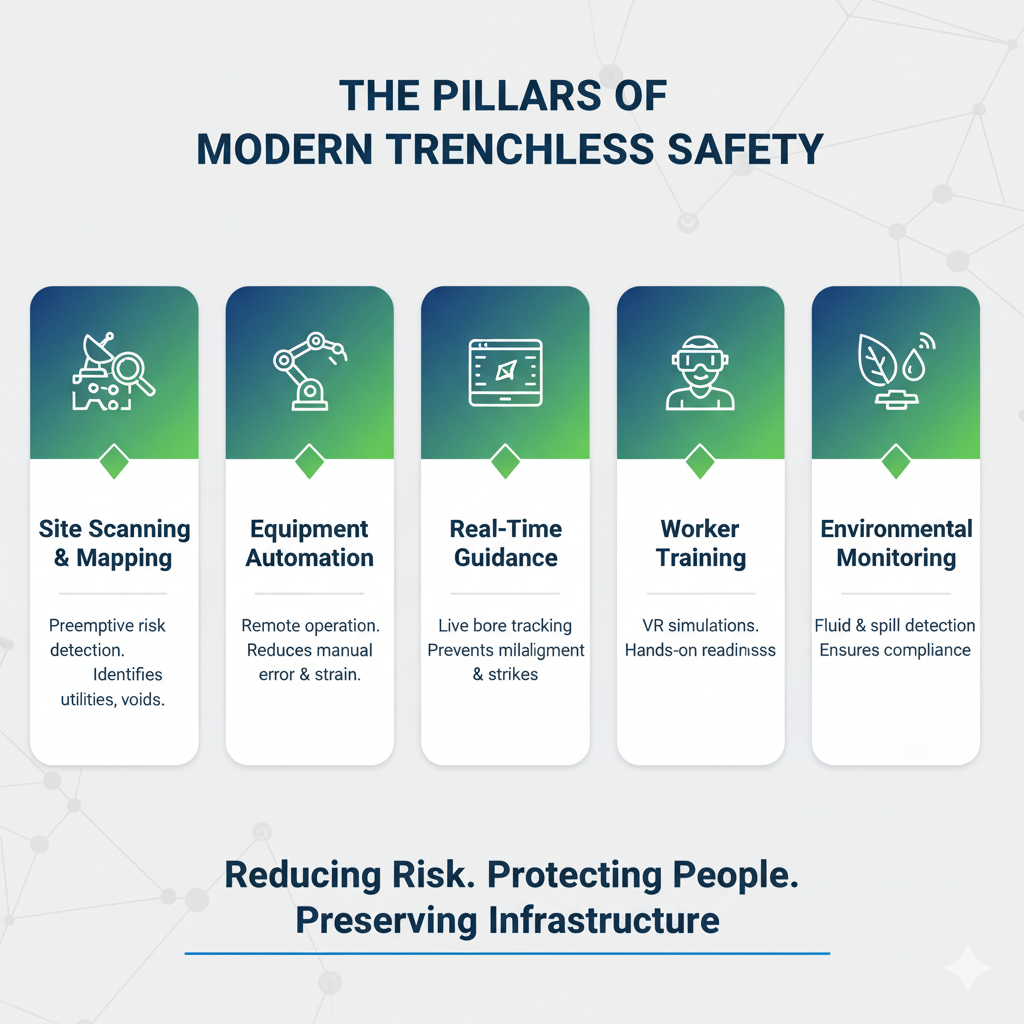
Trenchless technology safety includes all the systems, protocols and tools designed to minimise risk during underground construction, without digging large open trenches.

It covers:

  • Site scanning and mapping
  • Equipment automation and remote operation
  • Real-time guidance systems
  • Worker training through simulations
  • Environmental monitoring
Trenchless Technology Safety Innovations Every Contractor Should Know

Trenchless Technology Safety Innovations Every Contractor Should Know

The goal is to reduce risk across the board, both for workers and infrastructure. Contractors who ignore these advancements aren’t just falling behind, they’re increasing the risk of incidents, cost blowouts and delays.

1. Real-Time Tracking Reduces Risk and Improves Accuracy

Manual guesswork is quickly being replaced by real-time tracking and guidance systems. These are essential on directional drilling sites where precision is key.

Here’s how these systems improve safety:

  • Live navigation: Keeps the drill head on the intended path, preventing strikes to underground utilities.
  • Soil condition detection: Sensors identify changes in soil density, moisture or composition.
  • Depth and pitch tracking: Accurate bore depth prevents misalignment and potential breakouts.

At BRP Industries, the team integrates GPS-enabled directional drilling systems into every job, whether they’re working in the Central Coast or managing infrastructure under tight urban constraints like in Sydney.

Using these technologies helps reduce damage to utilities, prevents delays, and ensures the worksite remains safe and compliant.

2. Ground Scanning is Now Standard for Pre-Drill Risk Reduction

Before drilling begins, ground scanning plays a vital role in identifying potential underground hazards. This pre-emptive approach avoids unexpected collisions with gas, water, power and comms lines.

Current scanning methods include:

  • Electromagnetic location: Locates metallic underground utilities quickly.
  • Ground-penetrating radar (GPR): Creates subsurface images that highlight voids, pipes and cables.
  • Utility mapping software: Combines scan data into easy-to-read digital models.

By integrating these tools into early-stage planning, BRP Industries can map underground risks with accuracy, critical for projects like the fibre rollouts in Brisbane or high-density areas such as the Gold Coast.

3. Remote Operation and Automation Keep Crews Out of Danger Zones

Modern trenchless rigs now come equipped with remote operation capabilities, meaning fewer people need to be in high-risk areas during active drilling.

Benefits include:

  • Remote-controlled steering systems: Operated from a safe distance using real-time feedback.
  • Automated rod handling: Reduces physical strain and eliminates manual contact with heavy machinery.
  • Built-in emergency stops: Allow instant shutdown in case of unexpected movement or error.

This doesn’t just protect people, it also increases accuracy and operational efficiency. The BRP Industries team incorporates these automated features into every directional drilling job, allowing crews to work safely across regional and metro locations, from Newcastle to Canberra.

4. Digital Planning Tools Offer Safer Project Execution

Planning for trenchless installations has evolved from pen-and-paper sketches to fully digital simulations and modelling. These tools allow contractors to visualise and assess risks before breaking ground.

Key features of modern planning platforms:

  • 3D subsurface models: Show utility positions and soil composition.
  • Risk simulations: Identify weak spots in bore paths or potential utility clashes.
  • Real-time collaboration: Allows engineers and field crews to work together, even remotely.

This level of preparation is a core part of BRP’s project management services, giving clients across NSW and QLD full confidence in the safety and feasibility of each project before machinery even rolls in.

5. Environmental Monitoring Ensures Compliance and Protection

Trenchless work doesn’t just need to be safe for people; it must also be safe for the environment. That’s where real-time environmental monitoring systems come into play.

Features include:

  • Fluid pressure sensors: Help prevent frac-outs and fluid loss.
  • Spill detection: Early alerts minimise environmental damage and fines.
  • Eco-friendly fluids: Reduce the ecological footprint of drilling operations.

These innovations are especially important in protected areas or near waterways. BRP Industries factors environmental compliance into every stage of their trenchless projects, helping clients meet legal obligations while minimising long-term impacts.

6. Updated PPE and Safety Standards for Trenchless Teams

PPE isn’t just about ticking boxes. New safety standards and gear are being rolled out specifically for trenchless operations, where confined spaces, pressurised systems and remote machinery present unique risks.

Recommended PPE upgrades:

  • Smart helmets: Include comms systems and hazard alerts.
  • High-visibility moisture-wicking gear: Improves comfort and reduces overheating.
  • Impact-resistant gloves and boots: Designed for underground rig work.

These aren’t optional add-ons; they’re essential for protecting workers as trenchless operations increase in speed and complexity.

Summary Chart: Safety Innovations and Their Benefits

Here’s a quick-reference overview of the key safety innovations and what they offer:

Safety InnovationDescriptionBenefit
Real-time trackingGPS-enabled drill tracking and depth measurementFewer utility strikes, better accuracy
Ground scanningGPR, electromagnetic locating, digital mappingEarly hazard detection
Remote rig operationAutomation and remote steering of trenchless rigsKeeps workers out of danger zones
Digital project planning3D modelling and job simulationsSafer, data-driven decision making
Environmental monitoringPressure sensors and eco-friendly fluidsPrevents spills and protects habitat
Modern PPESmart helmets, breathable gear, reinforced glovesBetter protection in trenchless work

Why Contractors Can’t Ignore Trenchless Safety

Choosing not to adopt these safety technologies doesn’t just create hazards; it can derail entire projects. Delays from underground damage, injury claims, or environmental breaches cost more than any upfront investment in smarter systems.

The team at BRP Industries works closely with clients to integrate these safety innovations into every directional drilling project, ensuring work is delivered efficiently, legally and without compromise.

Let’s Make Your Next Trenchless Project a Safer One

Modern construction demands more than just fast results; it demands safe, smart and sustainable solutions. If you’re looking for a contractor that prioritises innovation and worker protection on every trenchless job, BRP Industries is the team to trust.

From detailed planning to on-site execution, BRP delivers expert-led trenchless services that meet the latest safety standards. Contact us today to learn how we can keep your next project safe, efficient and fully compliant.