

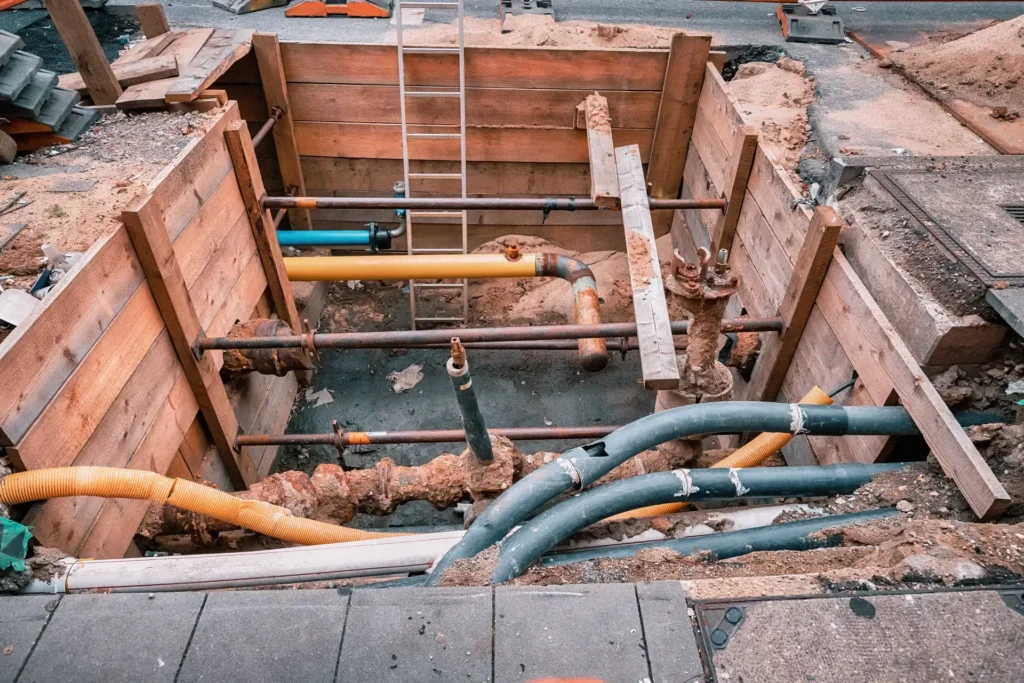
Water infrastructure used to be judged on one basic question: Does it work? Now, project teams, asset owners, and contractors expect more. They want visibility, efficiency, resilience, and fewer costly surprises. That shift is exactly why more attention is turning to smart water systems and the role they play in modern utility construction.
What are smart water systems?
Smart water systems combine physical infrastructure with digital tools that improve monitoring, control, and decision-making. That can include leak detection sensors, pressure monitoring, automated controls, remote metering, and data dashboards that show how a system is performing in real time.
In utilities construction, that matters because water assets are rarely simple. They sit within larger networks of civil works, services, and operational demands. Smart systems help turn that complexity into something more manageable, measurable, and reliable.
Why are smart water systems the next big shift in utilities construction?
Utilities construction is changing because expectations are changing. Clients want infrastructure that performs better over time, not just on practical completion day. They also want systems that are easier to maintain, more efficient to operate, and better able to support future demand.
That is where smart water systems stand out. They move the industry away from reactive maintenance and towards proactive oversight. Rather than waiting for a fault to announce itself in the least polite way possible, teams can often detect early warning signs and act sooner.
This is especially valuable on projects where infrastructure delivery needs careful coordination across multiple trades and disciplines. Working with a contractor that understands large-scale project delivery can help smart water infrastructure sit more naturally within the wider construction picture, rather than becoming an awkward afterthought.
Australian policy settings are also pushing the sector towards more efficient and resilient infrastructure. Guidance from the Australian Building Codes Board and national water-related policy resources through the Department of Climate Change, Energy, the Environment and Water both reflect the broader emphasis on smarter, more sustainable built environments.
How do smart water systems improve utility construction outcomes?
The value of smart water systems is not limited to one headline benefit. Their strength lies in several practical improvements that work together across a project’s life cycle.
First, they improve visibility. Traditional systems often leave teams relying on periodic inspection, delayed reporting, or manual checks. Smart systems provide more immediate feedback, which allows quicker responses when something changes.
Second, they support better resource management. Water loss, pressure issues, and inefficient operation can be identified sooner, helping reduce waste and improve performance.
Third, they strengthen coordination across services. In utilities construction, water infrastructure often intersects with electrical, telecommunications, and civil works. Integrating these systems properly can help reduce clashes, avoid rework, and support smoother delivery. That is why smart water planning often works best when it is considered alongside broader utilities construction services.
A practical comparison makes the shift clearer:
| Approach | Traditional water infrastructure | Smart water systems |
| Monitoring | Periodic manual checks | Real-time or near real-time monitoring |
| Fault detection | Often discovered after disruption | Earlier detection through alerts and data |
| Water use visibility | Limited or delayed | Clearer consumption and performance insights |
| Maintenance style | Reactive | More proactive and targeted |
| Operational control | Mostly manual | Greater automation and remote capability |
That is why the shift matters. It is not about making infrastructure look futuristic. It is about making it function better.
Which parts of utilities construction benefit most from smart water systems?
Some project environments see immediate value from smarter water infrastructure.
1. Complex civil and service corridors
Projects involving excavation, drainage, service installation, and ongoing access requirements benefit from better coordination and monitoring. When delivery is backed by experienced civil utilities construction expertise, smart systems can be integrated more cleanly from the outset.
2. Large developments and public infrastructure
Precincts, industrial facilities, transport-related sites, and community infrastructure often have more extensive water demands. That increases the value of data, automation, and leak detection.
3. Growth regions with expanding utility demand
Areas experiencing sustained development pressure need infrastructure that can keep up without becoming difficult to manage. On projects involving civil construction on the Central Coast, smart water systems can support both immediate construction needs and longer-term network performance.
4. Assets with high maintenance exposure
Where access is difficult, or faults can cause wider disruption, earlier issue detection becomes especially useful. No one enjoys discovering a hidden problem only after it has become everyone’s problem.
What should project teams consider before installing smart water systems?
Not every smart system is automatically a sensible one. Project teams should focus on practical fit, not novelty. A useful system supports the site and the asset. A poor one simply adds complexity with a shinier label.
Key considerations include:
- Purpose
The system should solve a defined problem, such as reducing leakage, improving monitoring, or supporting compliance. - Integration
Water infrastructure needs to work alongside other utilities and civil elements, not compete with them. - Usability
Data is only useful if people can understand it and act on it. - Maintenance
Sensors, controls, and connected components need realistic upkeep plans. - Long-term performance
Teams should think beyond installation and consider how the system will support the asset over time.
Australian guidance can also help shape decision-making. Resources such as Your Home support broader thinking around water efficiency and sustainable performance, while local authority requirements and project-specific standards should always be considered during planning and delivery.
How do smart water systems support resilience in the long term?
Resilience is one of the strongest arguments for smart water systems in utility construction. Infrastructure is under pressure from growing populations, ageing assets, weather variability, and rising expectations around efficiency and reporting. Smarter systems help project teams, and operators respond to those pressures with better information.
For example, real-time monitoring can reveal unusual flow behaviour before it becomes a serious failure. Pressure data can help identify weak points in a system. Consumption tracking can inform better planning for upgrades and maintenance. None of that removes the need for skilled delivery or sound engineering, but it does make those decisions more informed.
This is where connected planning becomes valuable. Smart water infrastructure works best when civil works, utilities, and service integration are treated as part of one coordinated outcome. In other words, a good trench is still a good trench, but a good trench with useful data is rather more helpful.
Are smart water systems worth the investment?
For many utilities construction projects, yes. The value is not always a single dramatic cost saving. More often, it appears in reduced water loss, better fault response, stronger system oversight, and improved asset performance across time.
That return can show up in several ways:
- Lower waste
Early leak detection can prevent ongoing water loss and associated costs. - Better decisions
More accurate information supports smarter maintenance and operational planning. - Reduced disruption
Faster fault identification can help avoid broader damage or service impacts. - Improved whole-of-life performance
Assets become easier to manage when teams can see how they are behaving in real conditions.
For contractors, clients, and operators alike, that makes smart water systems less of a trend and more of a practical evolution in how infrastructure is delivered.
A smarter direction for utilities construction
Smart water systems are becoming a serious part of the conversation because utility construction is no longer just about putting infrastructure in the ground and hoping for the best. It is about delivering assets that work efficiently, adapt to future demands, and offer better operational clarity long after handover.
For project teams looking to improve performance, reduce waste, and create more resilient infrastructure, smart water systems represent a meaningful step forward. BRP Industries supports complex project delivery across multiple sectors and service areas, helping construction teams approach infrastructure with a more integrated mindset. To talk through the right fit for your next project, get in touch and start the conversation.