

The construction industry has experienced a quiet revolution over the past decade, driven by innovations that reduce disruption, speed up delivery, and cut costs. At the centre of this change is trenchless technology. Once a niche method of underground installation, it’s now reshaping large-scale Civil Utilities Construction projects.
In this blog, we explore what’s driving the growth of the trenchless technology market, how it benefits infrastructure delivery, and why it matters for the future of Civil Utilities Construction.
What Is Trenchless Technology and Why Is It Gaining Traction?
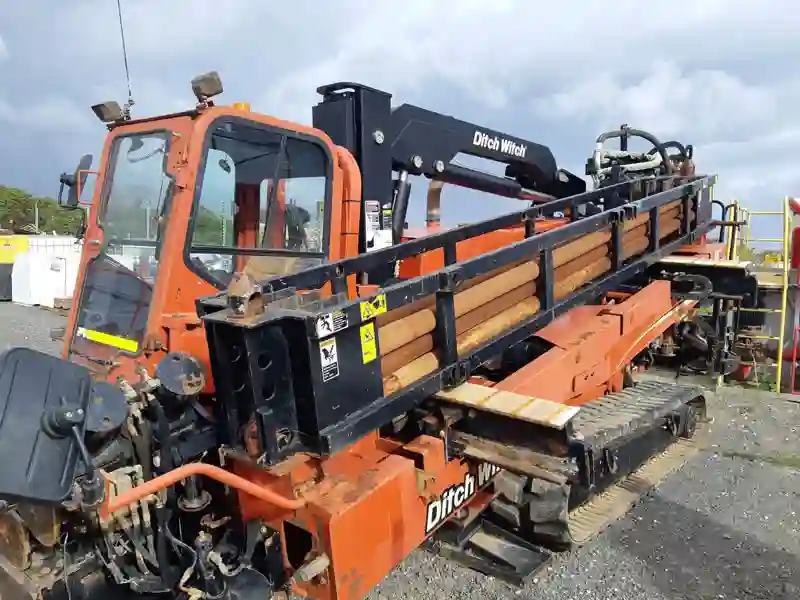
Trenchless technology refers to a range of methods used to install or repair underground infrastructure with minimal surface disruption. Instead of digging up roads and footpaths, directional drilling and horizontal boring techniques allow crews to work underground while the surface stays largely untouched.
Its growth in popularity is being driven by:
- Urbanisation: Cities like Sydney and Brisbane are expanding rapidly, requiring more underground services without disturbing existing infrastructure.
- Environmental considerations: Trenchless methods help preserve green spaces and reduce emissions caused by excavation.
- Improved efficiency: Compared to open-cut methods, trenchless techniques are faster and often more cost-effective.
Firms like BRP Industries are leading the way by delivering precise directional drilling in Sydney and other urban centres, meeting demand for modern, low-impact infrastructure solutions.
How Fast Is the Trenchless Technology Market Growing?
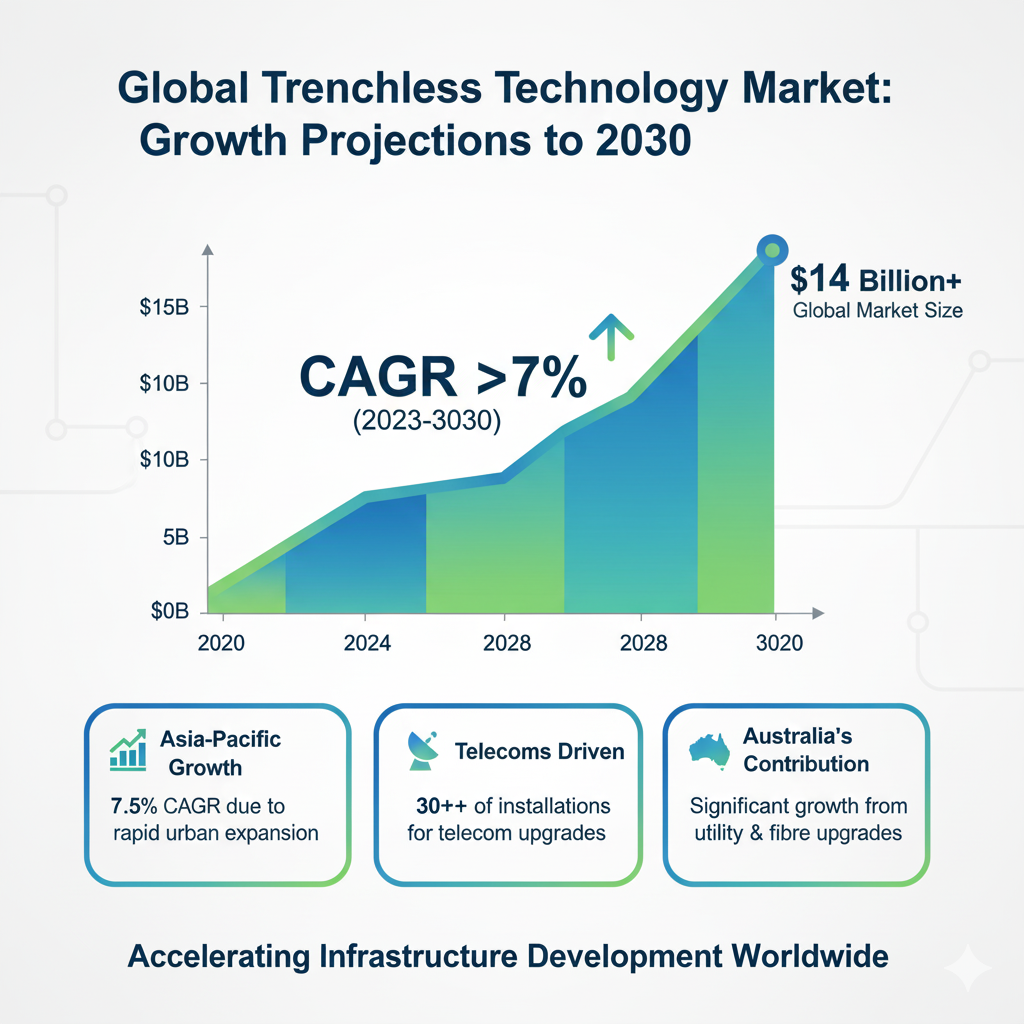
According to global market reports, the trenchless technology market is expected to grow at a compound annual growth rate (CAGR) of over 7% through to 2030. This is driven by major infrastructure investment across public utilities, telecommunications, and smart city developments.
Key market stats:
- $14 billion+ forecast global market size by 2030
- 7.5% CAGR across Asia-Pacific due to rapid urban expansion
- 30%+ of trenchless installations are linked to telecommunications upgrades
Australia is seeing this momentum too. Cities such as Newcastle and the Gold Coast are upgrading stormwater, gas and fibre networks. BRP Industries is actively supporting this growth through its Newcastle trenchless services and Gold Coast horizontal drilling solutions.
What Are the Main Benefits of Trenchless Technology?
The growing demand for trenchless services is backed by clear benefits that appeal to both contractors and clients. Below are the top reasons Civil Utilities Construction firms are shifting towards trenchless methods.
1. Less Disruption to the Surface
Unlike traditional excavation, trenchless drilling avoids tearing up roads, driveways, or landscaped areas. This is a major advantage in built-up zones or sites with heavy foot and vehicle traffic. BRP’s Canberra directional drilling services are a perfect example of applying this method in dense urban environments.
2. Faster Turnaround
Without the need for extensive excavation or restoration, trenchless methods enable much faster installation of underground systems. This makes a big difference to timelines in complex infrastructure projects where delays can be costly. BRP’s project management services are designed to integrate trenchless tech into overall delivery plans for maximum efficiency.
3. Long-Term Cost Efficiency
Although initial setup costs can be slightly higher, trenchless drilling results in savings over time. There’s less labour, reduced spoil removal, and fewer hours spent restoring the site afterwards.
4. Safer for Workers and the Community
With fewer open trenches and heavy vehicles in the area, sites are generally safer. Trenchless solutions reduce the number of high-risk activities on site and lower the chances of disruption to existing services.
Which Industries Are Driving the Demand for Trenchless Technology?
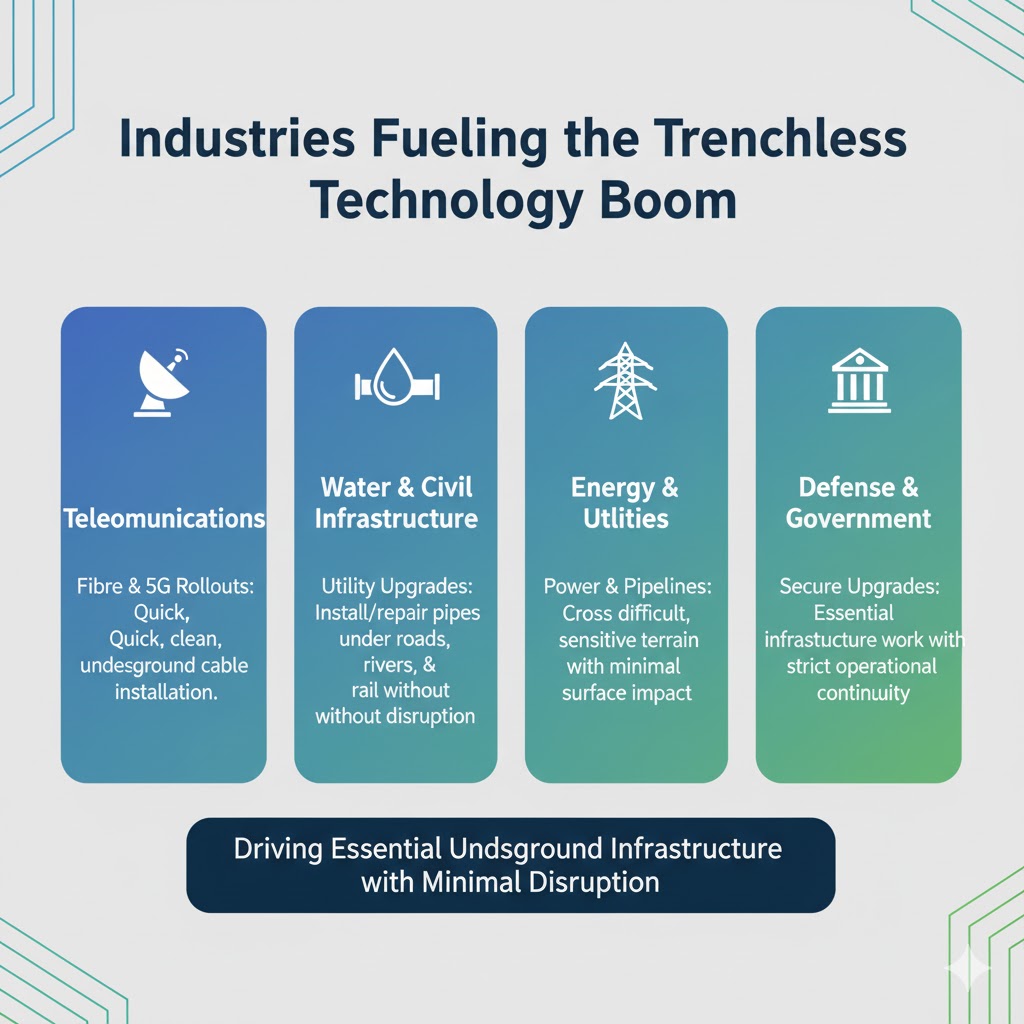
Trenchless technology is no longer a specialist tool for utilities. It’s now a must-have for a wide range of sectors that require underground installations with minimal disturbance.
Telecommunications
With fibre and 5G rollouts in full swing, the need for quick and clean underground cable installation is growing fast. BRP’s Central Coast directional drilling team is supporting telecom providers by connecting residential and commercial networks across NSW.
Water and Civil Infrastructure
Stormwater, sewer, and irrigation systems are all being upgraded in Australia’s cities and towns. Trenchless drilling makes it easier to pass under roads, rivers, and rail without closing them or causing detours.
Energy and Utilities
Power conduits and pipelines for gas or renewables often need to cross difficult terrain. Trenchless methods reduce surface disruption, which is especially useful in remote or environmentally sensitive areas.
Defence and Government
Government buildings and defence installations often have strict operational and security requirements. Trenchless drilling allows essential upgrades to take place without interfering with daily activities or drawing unnecessary attention.
What Does This Growth Mean for Civil Utilities Construction Professionals?
Trenchless technology is not just changing how underground infrastructure is installed. It’s forcing a shift in how entire construction projects are planned and delivered.
Here’s what construction firms need to know:
- Clients now expect it: Councils, developers, and corporations are asking for low-disruption options as standard.
- Planning is more complex: To use trenchless technology effectively, project managers must coordinate civil works, geotechnical assessments, and digital mapping from the early stages.
- Expertise is critical: Firms need experienced teams and high-quality drilling equipment to ensure accuracy and safety.
- Capability matters: Full-service contractors like BRP Industries offer integrated solutions with in-house project management, making them a reliable partner for major infrastructure works.
Whether you’re upgrading fibre networks or installing new water mains, trenchless drilling can significantly reduce risks and timelines. The Brisbane directional drilling team at BRP Industries has delivered countless underground installations across commercial, civil, and industrial sectors.
Rethink the Future of Underground Construction
The trenchless technology market is growing rapidly, and it’s not hard to see why. With reduced surface disruption, faster turnaround, and long-term savings, it offers a smarter way to install critical infrastructure.
At BRP Industries, we specialise in trenchless and directional drilling across New South Wales and Queensland. With a professional, quirky and expert team of tradespeople, we deliver clever solutions for large-scale projects—without the mess.
If you’re planning an infrastructure project that requires underground installation, make sure you do it the smart way.Contact us today to discuss how trenchless technology can benefit your next Civil Utilities Construction project.