The utilities sector rarely stands still, but 2026 looks especially busy.
Contractors, developers and infrastructure teams are facing a mix of tighter compliance, rising digital expectations, growing energy demand and sharper pressure on programme certainty. In other words, the work is getting smarter, not simpler.
For project teams planning, understanding utilities construction trends now can make delivery smoother, safer and far less painful later.
What are the utility construction trends in 2026?
Utilities construction trends are the shifts shaping how essential infrastructure is designed, delivered and maintained across power, communications, water, civil works and connected systems.
In 2026, the biggest changes are likely to centre on digital coordination, integrated service delivery, resilience, security and faster project execution. For principal contractors and asset owners alike, the challenge is not just building infrastructure, but building it with fewer delays, fewer clashes and better long-term performance.
Why integrated delivery is becoming the new normal in utilities construction trends
One of the clearest utility construction trends is the move away from isolated trades working in parallel and towards integrated delivery models.
On large construction sites, electrical, data, communications, security and civil scopes are deeply connected. When those disciplines are planned separately, the result is often the same old story: duplicated access, sequencing headaches, unexpected redesigns and site teams politely pretending everything is fine.
A more joined-up model reduces those risks. Coordinated utility works make it easier to manage trenching, conduits, service corridors, compliance requirements and commissioning pathways without constant rework. That is one reason many developers now favour providers with broader capability across delivery stages, from early planning through to practical completion. On complex projects, having a team that understands utilities construction in the round can improve decision-making well before a shovel touches the ground.
This approach also supports clearer accountability. When fewer gaps exist between scopes, there are fewer opportunities for issues to hide until they become expensive.
How digital coordination is reshaping utilities construction trends
Digital coordination is no longer a nice extra. It is becoming one of the most practical utility construction trends for improving certainty on live projects.
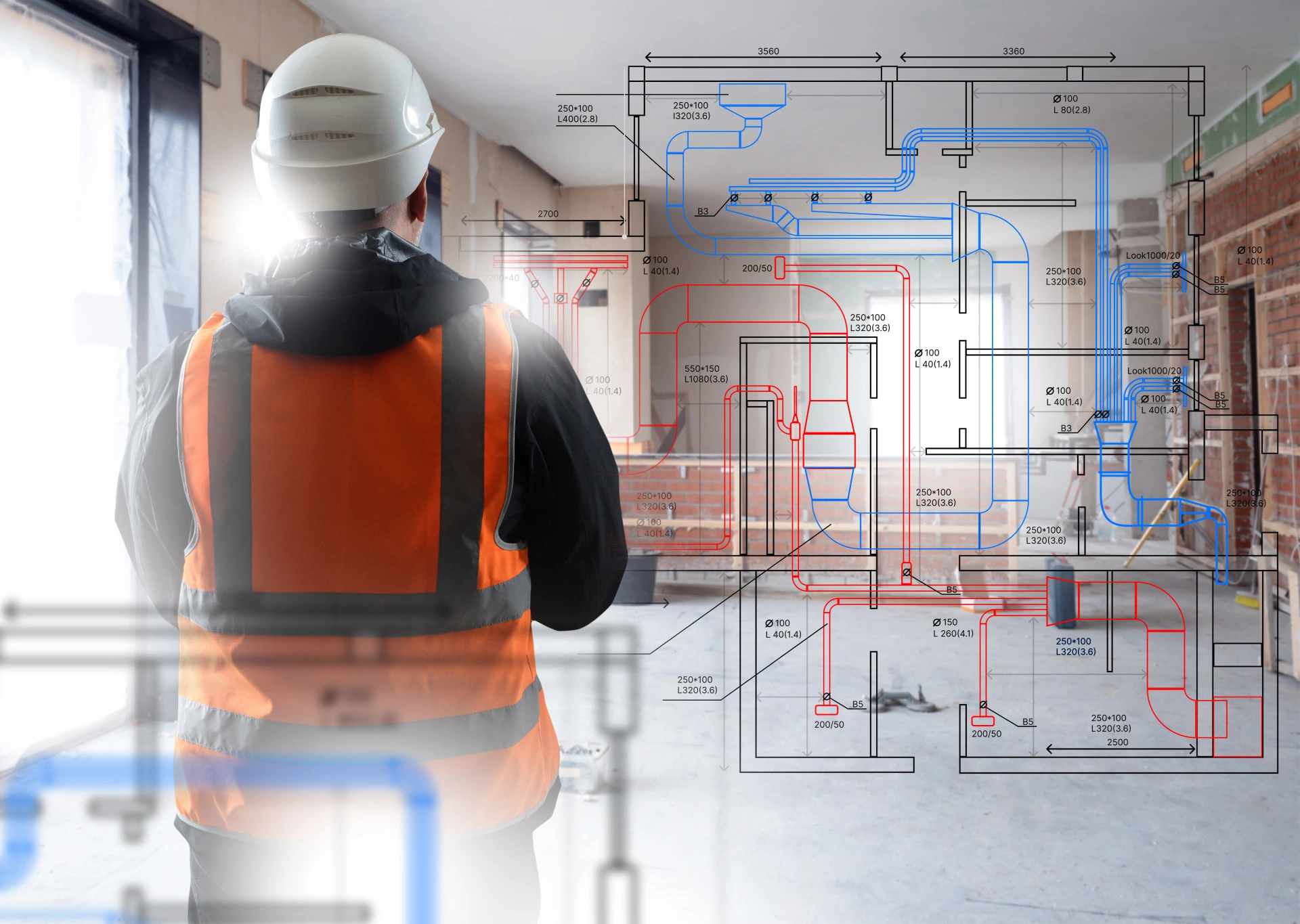
Services coordination, digital modelling, clash detection and better field data are helping teams spot issues earlier and communicate changes more clearly. For utilities works, that matters because underground and above-ground interfaces can go wrong quickly when drawings, site conditions and sequencing drift apart.
A few digital priorities are standing out in 2026:
- Better design visibility
Shared models and coordinated documentation help teams identify service conflicts before installation starts. - Improved site communication
Digital mark-ups, live updates and clearer revisions reduce the risk of crews working from outdated information. - Stronger asset handover
Accurate records support future maintenance, upgrades and compliance checks after sign-off. - Faster issue resolution
When information is accessible and current, problems can be escalated and closed out with less downtime.
For policy and national infrastructure planning context, teams often track guidance from Infrastructure Australia and broader government direction through the Department of Infrastructure, Transport, Regional Development, Communications and the Arts.
Which utilities construction trends are driving civil and service coordination?
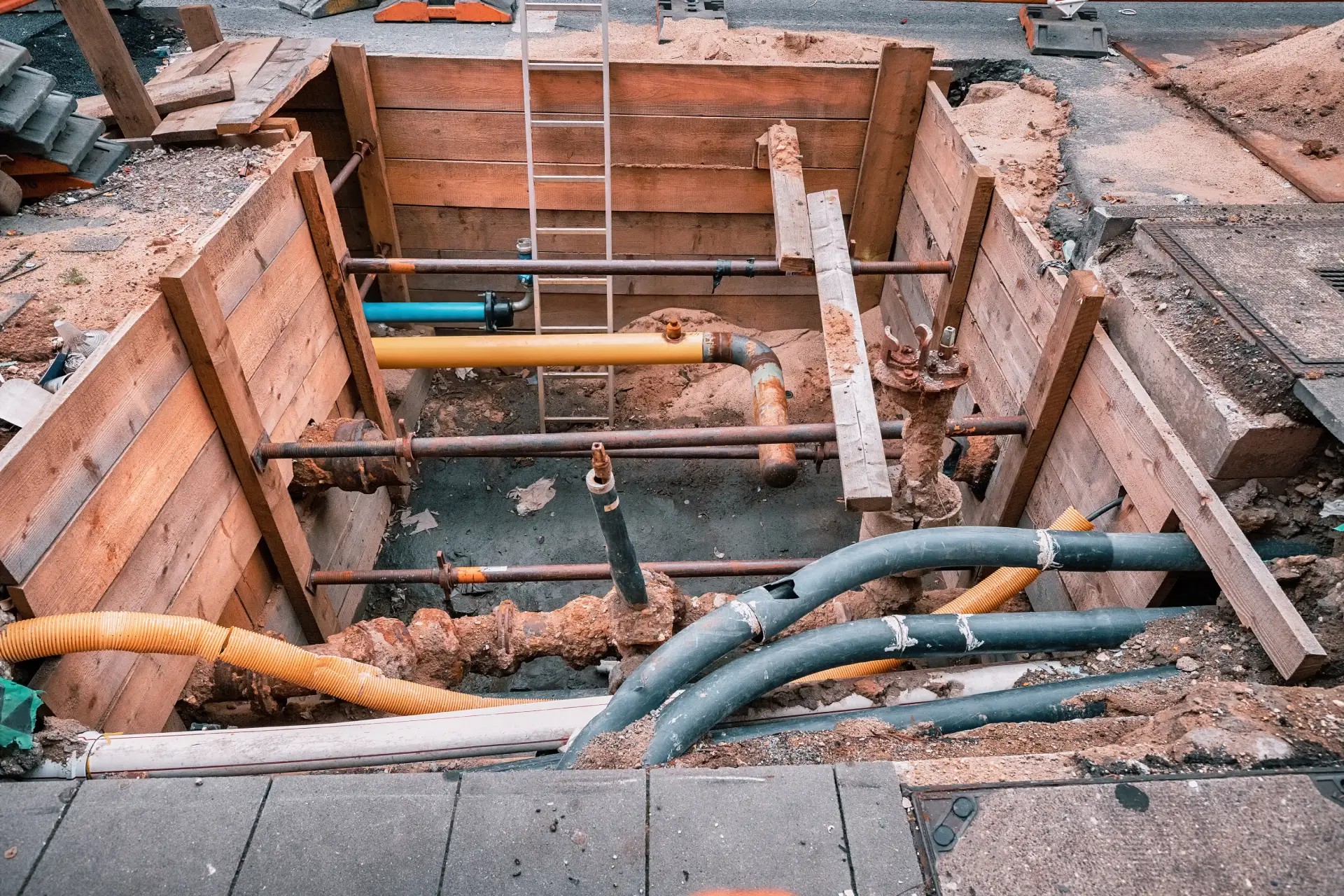
Civil coordination is becoming far more important as utility corridors grow busier and project footprints become more constrained.
That is particularly true in developments where roads, drainage, electrical reticulation, communications and service pits all need to coexist without compromising access or future maintenance. In practice, this means civil works can no longer be treated as a background package. They are central to programme performance.
The table below shows where this is becoming most visible.
| Trend | Why it matters | Likely project impact |
| Shared trench and corridor planning | Reduces interface clashes between utilities | Fewer redesigns and cleaner sequencing |
| Early civil services coordination | Aligns excavation, conduit routes and drainage outcomes | Lower rework risk |
| Utility access planning | Supports maintenance and staged commissioning | Better long-term operability |
| Site-wide programme integration | Connects civil works with electrical, data and comms packages | Smoother delivery across trades |
On projects involving large site preparation and service infrastructure, a contractor with real experience in civil construction on the Central Coast can help resolve interface risks early, rather than leaving them to become “unexpected” site discoveries later. The same applies where integrated delivery across civil utilities construction is needed to keep service installation aligned with broader project staging.
For a broader evidence base on the construction sector, industry teams often monitor data from the Australian Bureau of Statistics construction collection.
How resilience and security are influencing utility construction trends
Resilience is no longer just a design ambition. It is an operational requirement.
Utilities assets now need to perform under heavier demand, more complex site conditions and greater digital dependence. At the same time, the rise of connected systems means physical infrastructure and digital infrastructure are increasingly linked. That makes resilience and security one of the more important utility construction trends to watch in 2026.
In practical terms, this affects how teams think about:
- Redundancy
Essential services may need backup pathways or smarter configuration to reduce disruption during faults or upgrades. - Physical security
Utility assets, communications rooms and access points require stronger protection and clearer risk controls. - Cyber awareness
Connected systems, monitoring tools and communications infrastructure create new points of vulnerability. - Maintenance access
Resilient infrastructure is not just robust on day one. It also needs to be inspectable, serviceable and adaptable.
For construction teams working across electrical, communications and security scopes, this convergence matters. It is another reason clients often look for delivery partners with multi-disciplinary capability, such as the team behind BRP Industries, rather than a patchwork of disconnected packages. For practical cybersecurity guidance relevant to connected systems and infrastructure environments, the Australian Cyber Security Centre is a useful reference point.
Why telecommunications and data infrastructure remain major utility construction trends
Telecommunications and data requirements are now embedded in almost every serious development. That trend is only accelerating.
Commercial sites, industrial facilities, mixed-use precincts and public assets all depend on stronger connectivity. As a result, communications infrastructure is increasingly being planned as a core utility, not a late-stage add-on awkwardly squeezed in once everyone realises Wi-Fi alone is not going to save the day.
This has a few direct consequences for project teams. First, data and communications pathways need earlier coordination with electrical and civil scopes. Second, site designs need to account for future capacity, not just immediate demand. Third, installation quality matters because poor cable routes, cramped access and inconsistent documentation create long-term maintenance pain.
Regulatory and technical expectations also continue to evolve. For communications and carrier-related information in Australia, teams may refer to the Australian Communications and Media Authority. While requirements vary by project type, the wider trend is clear: connectivity infrastructure is now business-critical, and utility planning needs to treat it accordingly.
What should project teams prioritise as utilities construction trends evolve?
The smartest response to changing utility construction trends is not chasing every shiny new idea. It focuses on the decisions that reduce risk and improve delivery quality.
In 2026, project teams should be prioritising:
- Earlier coordination across trades
Utilities projects perform better when civil, electrical, communications, data and security scopes are aligned from the outset. - Constructability before commitment
A design that looks tidy on paper can still fail on site. Early buildability reviews are worth the effort. - Clear information flow
Good documentation, live coordination and disciplined change control reduce avoidable disruption. - Future-ready infrastructure
Capacity, access and adaptability should be considered upfront rather than patched in later. - Resilience and compliance
Projects need to work in real conditions, not just pass a box-ticking exercise.
These priorities are especially relevant on large-scale developments where multiple utility interfaces need careful management from start to sign-off.
Ready for what 2026 will throw at your project?
The most important utilities construction trends for 2026 are not really about buzzwords. They are about integration, clarity, resilience and delivery discipline.
Projects are becoming more connected, more data-driven and less tolerant of fragmented planning. That means the teams who succeed will be the ones that coordinate early, communicate clearly and build with long-term performance in mind.
For organisations delivering major construction and infrastructure works, BRP Industries offers smart, practical support across electrical, data, security, telecommunications and civil sectors. If your next project needs experienced delivery with complete project management capability, get in touch to discuss the right approach.