Interested in working together? Get in touch today.

Sustainable Civil Design Supporting Net-Zero Infrastructure

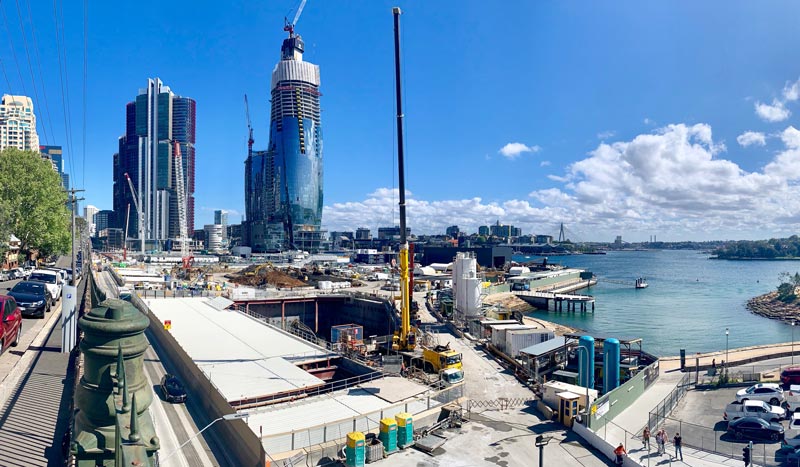
Civil Utilities Construction in Barangaroo Sydney

Net-zero targets have moved from policy documents into contracts, programmes, and performance reporting. That shift lands heavily on civil works, because levels, drainage, access, and service corridors shape everything that follows. Get the early decisions right, and carbon falls, rework drops, and resilience improves. Get them wrong, and you lock in waste for decades. This is the practical case for sustainable civil design.

What is sustainable civil design?

Sustainable civil design is the practice of planning and delivering civil infrastructure (earthworks, pavements, drainage, structures, and service routes) to minimise whole-life environmental impact while still meeting safety, budget, and performance requirements.

It is not a single material choice or a tick-box rating tool. It is a set of design behaviours.

It focuses on carbon, water, ecology, durability, and constructability at the same time, because those outcomes are linked. A well-coordinated design typically needs fewer truck movements, fewer variations on site, and fewer “dig it up again” moments later.

Where does carbon actually come from in civil works?

A useful way to keep conversations grounded is to separate embodied emissions from construction emissions and operational impacts. The exact numbers vary by site, but the pattern is consistent: materials and haulage dominate early, then maintenance and replacement dominate later.

Simple hotspot table (typical drivers on large projects)

Civil elementCommon carbon driverWhy it mattersPractical lever
Concrete (pits, footings, kerbs)Cement contentCement is carbon intensiveRight-sizing, mixes, avoid over-spec
PavementsLayer thickness, aggregatesHigh volumes, repeated deliveriesDesign life, subgrade prep, reuse
EarthworksPlant hours, truckingFuel burn and haul distancesBalance cut/fill, stage works
DrainagePipe material, excavationDeep trenches drive spoil and plant timeOptimise alignments and depths
ReworkVariations and clashesCarbon gets paid twiceCoordination and clear interfaces

The table is boring on purpose. Boring is good when you are trying to reduce emissions, because it keeps the focus on decisions you can actually control.

How does sustainable civil design reduce whole-life carbon?

Whole-life carbon improves when you do less heavy work, move fewer materials, and build assets that last longer with fewer interventions.

Start with geometry. Optimising finished surface levels to reduce cut and fill can remove thousands of cubic metres of plant effort. Next, look at haul. A “small” alignment tweak that shortens truck movements by even a kilometre each way adds up quickly on a major job.

Then design for durability. Longer-life pavements and better drainage details can reduce maintenance cycles, which often involve plant, traffic management, and replacement materials.

This is also where coordination stops being a project-management buzzword and becomes an emissions control measure. When programme sequencing and interface ownership are clear, you reduce clashes between trades. On multi-discipline builds, teams delivering end-to-end coordination through structured project management for complex construction delivery tend to spend less time fixing avoidable conflicts, and that is one of the quietest carbon savings you can make.

Which sustainable civil design decisions are easiest to implement on-site?

The best sustainability moves are the ones that survive contact with reality, meaning supply constraints, weather, access, and humans with excavators.

A few design choices are reliably build-friendly:

  • Standardise details where you can: repeated pit, trench, and footing details reduce errors because crews see the same solution often, and the brief explanation is that repetition lowers variation risk.
  • Design service corridors as a system: power, fibre, drainage and security pathways need workable separation, because a corridor that only works on CAD tends to become rework in the ground.
  • Minimise “special” materials: if a product is hard to source, it increases substitutions and delay, and the brief explanation is that substitutions often increase emissions and cost.
  • Create access that makes sense: if a plant cannot get in and out safely, productivity drops and fuel burn rises, because idle time still burns diesel.

These choices sit right in the wheelhouse of practical civil specialists. If you want an example of a civil-focused capability that fits within broader delivery scopes, the way civil design services are positioned for large-scale projects can be a useful reference point, particularly when civil works need to align with electrical, data, telecommunications, and security requirements.

How do you design for water sensitivity and climate resilience?

Net-zero infrastructure still has to handle heat, storms, and changing ground conditions. Sustainable civil design supports resilience by making water and soil behaviour central to the design, not an afterthought.

Water-sensitive approaches commonly include:

  • Managing runoff close to where it lands: swales, raingardens, and permeable surfaces can slow and filter stormwater, and the brief explanation is that slower flows reduce downstream flooding risk.
  • Designing detention for maintenance: basins that can be accessed and cleaned perform better over time, because neglected systems fail quietly.
  • Reducing erosion and sediment transport: clear staging and protection measures avoid environmental harm and clean-up work, and the brief explanation is that prevention is cheaper than remediation.

Resilience also means materials and detailing. For example, good subgrade preparation and drainage can prevent premature pavement failures, which avoids replacement works later. In other words, resilient details are not “extra”, they are often the lowest-carbon option across the asset life.

Sustainable civil design and compliance: how do you keep it audit-proof?

Sustainability claims are increasingly scrutinised, especially on public and major private developments. The safest approach is to design so it is easy to verify.

That means:

  • Clear specifications with traceability: where Environmental Product Declarations exist, use them appropriately, because they support transparent reporting.
  • Inspection and test plans that capture sustainability-critical items: not just compaction and levels, but also material substitutions and installation quality, because untracked changes undermine performance.
  • Interface documentation: confirming what sits where, who owns it, and how it is commissioned, because “someone else will handle it” is an expensive sentence.

Some projects also require accredited frameworks where work intersects with regulated networks or defined service-provider standards. In those cases, having access to an accredited service provider capability can reduce compliance friction while still allowing the design team to pursue practical sustainability outcomes.

What should you measure to prove sustainable civil design is working?

If you do not measure it, it will be value-engineered into oblivion.

You do not need a 200-page sustainability report to get started. You need a small set of indicators that match the design levers.

A simple measurement set many teams can manage:

  • Earthworks balance (cut vs fill): Fewer imports and exports typically mean lower emissions, because hauling is a major driver.
  • Haul distances for key materials: track the big-volume items, and the brief explanation is that transport can dominate when volumes are high.
  • Concrete volume and mix strategy: focus on where concrete is used and whether designs are right-sized, because over-spec adds carbon permanently.
  • Rework events and causes: measure how often you redo work and why, because the “why” points directly to coordination issues.
  • Maintenance assumptions: record intended design life and maintenance intervals, because these choices drive long-term emissions.

Simple priority chart (impact vs effort)

Below is a quick, plain-language way to rank typical actions. “Impact” is potential carbon reduction. “Effort” is the design and coordination effort.

ActionImpactEffortWhy it ranks this way
Optimise levels to reduce cut/fillHighMediumRemoves plant hours and trucking early
Prevent clashes via corridor coordinationHighMediumStops rework across multiple trades
Right-size concrete elementsMediumLowOften achievable through detail review
Specify maintainable drainage assetsMediumMediumReduces long-term interventions
Switch minor finishes to “greener” optionsLowLowHelpful, but rarely the main driver

If you only do two things, start with cut/fill optimisation and corridor coordination. They are unglamorous and extremely effective.

How do you scope sustainable civil design so stakeholders approve it?

Stakeholders approve what feels controlled and deliverable.

The trick is to frame sustainability as a series of design trade-offs and risks, not a moral mission. That keeps the conversation objective, and it also makes approvals faster.

A clean scoping approach:

  1. Define success metrics early: choose a small set of measurable outcomes, and the brief explanation is that fewer metrics are easier to defend and track.
  2. Identify your top three carbon drivers: usually concrete, haulage, and rework, because they dominate on many civil packages.
  3. Lock interface ownership: decide who owns service corridor coordination and clash resolution, because shared ownership often becomes no ownership.
  4. Build sustainability into review gates: include it at 30/60/90 percent design, because late changes increase waste.
  5. Align delivery sequencing: civil, electrical, data, telecoms and security should be staged intentionally, because sequencing can eliminate repeat excavation.

If you need a sense of how multi-skilled delivery can support this kind of integrated thinking, the broader capability. BRP Industries provides a useful starting point for understanding how civil design can sit alongside project management and service delivery in one programme, rather than being treated as separate islands.

Conclusion: Sustainable civil design is where net-zero becomes buildable

Sustainable civil design works when it stays practical: fewer truck movements, clearer interfaces, durable details, and measurable decisions. It is less about flashy innovations and more about disciplined early-stage choices that reduce waste across the full asset life. If you are mapping out a large-scale project and want to pressure-test levels, corridors, staging, and compliance assumptions, the most efficient next step is to start a scoped conversation early in design, while changes are still cheap. You can do that by getting in touch with us and keeping the focus on measurable outcomes, not marketing promises.

Accredited Service Provider Benefits for Utilities Projects on Major Builds

Accredited Service Provider NSW

Utilities infrastructure sits at the centre of most large-scale construction projects, yet it is often treated as a late-stage connection task rather than a risk-managed workstream. In reality, utilities work affects safety, compliance, commissioning, and programme certainty. This guide explains the practical accredited service provider benefits that help reduce friction and deliver more predictable outcomes on complex sites.

What is an accredited service provider in utilities work?

An accredited service provider is a contractor that has been assessed and approved to perform specific utilities-related works under defined standards and authorisation frameworks. In practical terms, accreditation signals verified competency, documented systems, and repeatable controls for regulated tasks.

For project teams, the value is operational: clearer governance around safety, quality assurance, testing, and handover documentation. That structure matters when multiple stakeholders are involved, including principal contractors, asset owners, authorities, and commissioning teams.

On projects where the scope spans several building systems, a multi-discipline contractor such as BRP Industries can reduce fragmentation by coordinating electrical, data, security, telecommunications and civil works under one delivery approach.

Accredited service provider benefits for compliance, safety and risk control

Utilities work carries higher consequences when something goes wrong. A small documentation gap or an uncontrolled change can trigger rework, failed inspections, or delays to energisation and commissioning.

One of the most consistent accredited service provider benefits is stronger risk control, because delivery tends to sit inside documented processes rather than individual judgment. In practical terms, that usually translates into:

  • Defined work methods
    Standardised processes reduce variation across crews and support consistent compliance.
  • Formal risk planning
    Structured pre-starts and job hazard checks help identify interface risks early, especially where multiple trades overlap.
  • Clear supervision and accountability
    Responsibility for inspections, hold points, and sign-offs is typically better defined, reducing ambiguity on-site.
  • Evidence-based compliance
    Records, checklists, and verification steps create a traceable trail that supports audits and handover.

Where regulated utilities work is in scope, using an accredited service provider can reduce the likelihood of non-compliant outcomes becoming visible late in the programme.

How accredited service provider benefits protect programme certainty

Delays in utilities packages often come from coordination, not workmanship. Approvals, stakeholder availability, access constraints, and testing windows can compress schedules quickly, particularly near commissioning.

A key accredited service provider benefit is improved programme predictability, typically driven by more structured planning and clearer dependencies. The advantages often show up as:

  • Earlier identification of constraints
    Access limitations, authority lead times, and test requirements are surfaced sooner, reducing last-minute rescheduling.
  • More reliable sequencing
    Dependencies between civil works, conduits, pits, cable runs, and energisation steps are planned in a more linear, auditable way.
  • Cleaner interface management
    Fewer gaps between packages reduce “stop-start” delivery and help protect the critical path.
  • Faster issue resolution
    When documentation and responsibilities are clear, approvals and corrective actions tend to move more quickly.

This is also where coordinated project management support can make a material difference, because utilities delivery is managed as a workstream with defined milestones rather than treated as a collection of ad hoc tasks.

Utilities delivery comparison table

Project areaWhat accreditation typically enablesThe avoidable risk it reduces
Safety and complianceDocumented processes, consistent checks, clearer accountabilityInconsistent methods and higher non-compliance exposure
Approvals and submissionsStronger evidence trails and familiarity with typical requirementsLate rejections and rework to satisfy submission expectations
Testing and commissioningStructured test plans with traceable resultsUnverified work and delayed commissioning
Interface managementBetter coordination between trades and packagesClashes, scope gaps, duplicated effort
Handover documentationMore complete records and clearer as-builtsIncomplete close-out packs and disputes

Accredited service provider benefits for quality, testing and traceable handover

Quality in utilities work is measured through verification and traceability, not just installation finish. A practical, accredited service provider benefit is that quality controls are usually embedded into delivery and supported by clearer records.

The outcomes that matter most on major builds are typically:

  • Repeatable quality checks
    Defined inspection points reduce the chance of defects being discovered after areas are closed up.
  • Structured testing evidence
    Test results are recorded consistently, supporting commissioning and later fault-finding.
  • Traceable handover information
    Clear asset records help facilities teams maintain infrastructure and plan upgrades without relying on assumptions.
  • Lower close-out friction
    When documentation is compiled progressively, handover packs are typically easier to complete and defend commercially.

This is particularly relevant for the regulated scope where verification requirements are strict, and where a dependable evidence trail can reduce disputes.

How accredited service provider benefits strengthen stakeholder coordination

Utilities work sits between authorities, asset owners, design teams, commissioning agents, and multiple onsite trades. Coordination failures at these touchpoints are a common source of programme drift.

One of the more practical accredited service provider benefits is improved alignment between parties, because delivery is often supported by clearer communication routines, inspection planning, and documentation standards. That matters when multiple systems share corridors and interfaces, such as power distribution, telecommunications, data routes, security systems, and associated civil works.

On complex builds, reviewing a contractor’s recent project work can help validate whether they have operated in similar interface-heavy environments with comparable governance requirements.

Conclusion: choosing an accredited service provider benefits that hold up on-site

The accredited service provider benefits that matter most are measurable on-site: safer delivery controls, fewer compliance surprises, more predictable sequencing, better testing evidence, and cleaner close-out.

For construction teams delivering major projects, an accredited provider can also support decision-making earlier, by identifying dependencies, shaping realistic timelines, and reducing interface risk before it affects the critical path. BRP Industries brings multi-discipline capability across electrical, data, security, telecommunications and civil scopes, backed by end-to-end delivery maturity. If you are scoping a utilities package and want to reduce approval and commissioning risk early, you can get in touch to discuss requirements, constraints, and expected handover standards.

Rising Demand for Vacuum Excavation in 2026 Infrastructure Projects

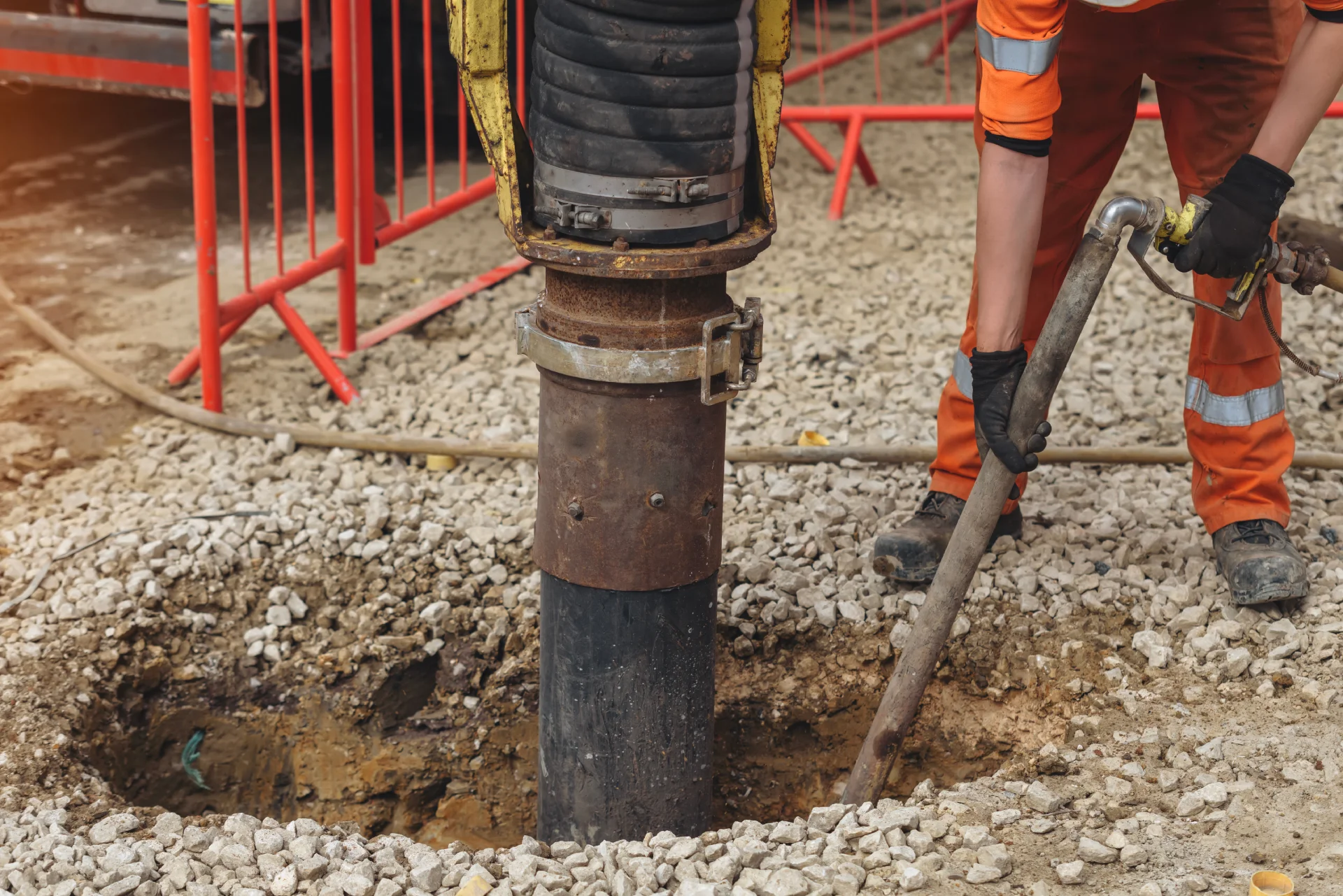
vacuum excavation demand

Infrastructure delivery in Australia is changing shape. Projects are larger, urban footprints are tighter, and underground environments are increasingly congested with live services. Electrical, telecommunications, water and data assets now compete for space beneath roads, rail corridors and commercial precincts. For contractors operating in these conditions, excavation is no longer a blunt instrument. It is a precision task, which explains why vacuum excavation is accelerating ahead of 2026.

This shift is particularly evident across multidisciplinary construction projects delivered by contractors such as BRP Industries, where early-stage service identification plays a critical role in programme certainty and risk management.

What Vacuum Excavation Actually Solves

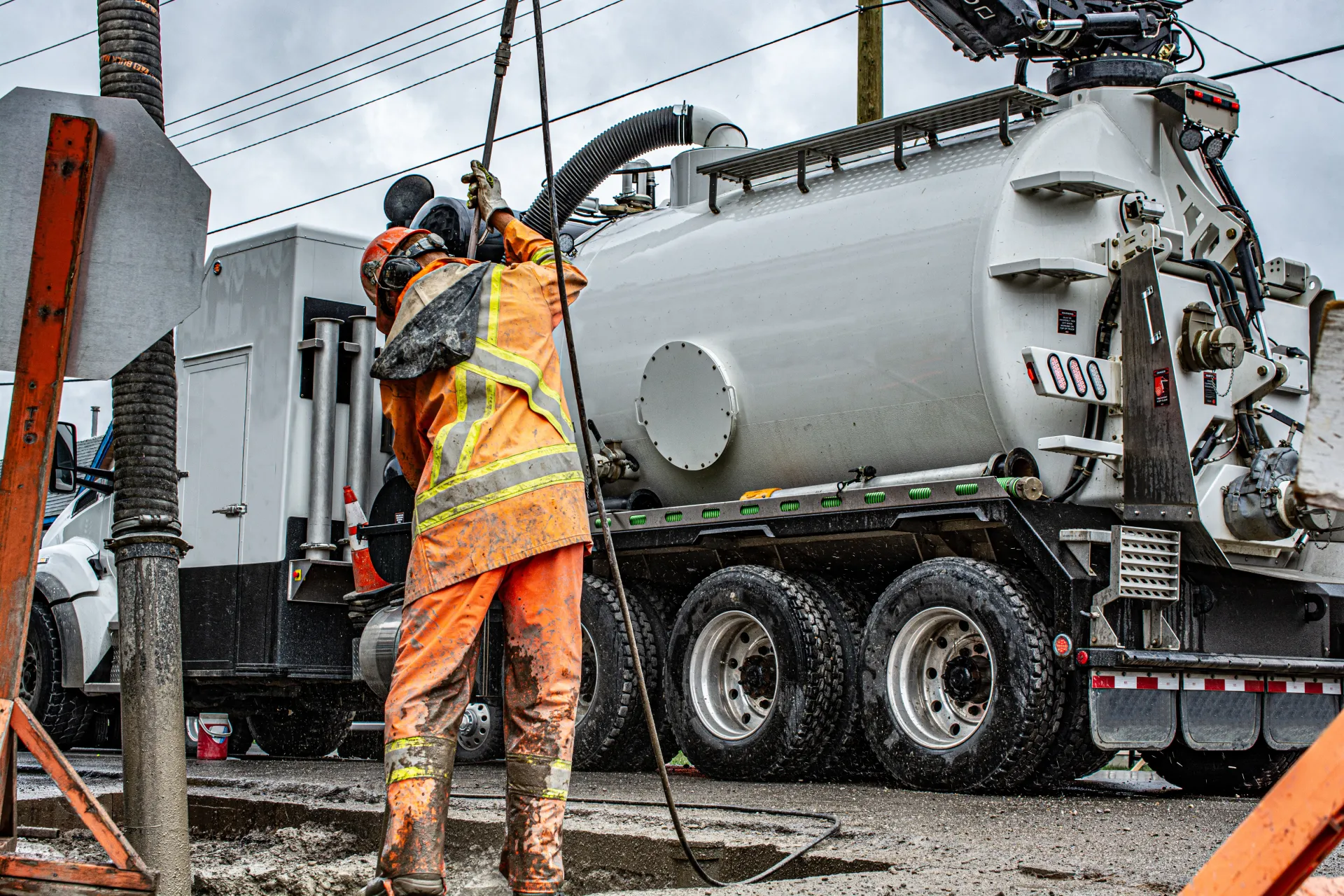
Vacuum excavation is often described as non-destructive digging, but that undersells its value. In practical terms, it allows contractors to expose underground assets without relying on guesswork.

The process uses pressurised air or water to loosen material, which is then removed via a vacuum system. This enables controlled excavation around live services, even in highly constrained environments.

From an infrastructure perspective, vacuum excavation addresses three persistent problems:

  1. Unknown asset locations
    As-built documentation is frequently incomplete or outdated, particularly in older urban areas.
  2. Risk of service strikes
    Mechanical excavation increases the likelihood of damaging live assets, with consequences that extend beyond the site boundary.
  3. Programme disruption
    Unplanned stoppages caused by asset damage quickly cascade into cost overruns.

As underground density increases, these issues are no longer occasional inconveniences. They are systemic risks, which is why vacuum excavation demand continues to rise.

Why Demand Is Increasing Across Infrastructure Projects

The growth in vacuum excavation demand is driven by a combination of safety, compliance and commercial reality rather than industry trends alone.

Key drivers include:

  • Increased infrastructure investment across transport, utilities and energy
  • Tighter WHS enforcement around service strikes
  • Greater emphasis on early works accuracy
  • Rising cost of unplanned outages and delays

On major projects, excavation errors are rarely isolated. A damaged fibre line can affect thousands of users. A gas strike can halt an entire precinct. These risks are no longer tolerated as part of doing business.

Vacuum excavation provides a measurable reduction in uncertainty, which is why it is increasingly specified rather than suggested.

Urban Density and the Role of Precision Excavation

In major metropolitan areas, underground congestion is the norm. Multiple generations of infrastructure often occupy the same corridor, layered over decades with varying standards of documentation.

In Sydney, this density has made precision excavation essential during early works, particularly when projects involve live electrical and data infrastructure. Contractors delivering complex builds increasingly rely on vacuum excavation services in Sydney to expose assets before any mechanical plant is introduced to site.

This approach reduces the likelihood of redesigns mid-construction and allows downstream trades to work with confidence rather than caution.

Regional Growth Is Driving Demand Too

While metropolitan projects dominate headlines, vacuum excavation demand is also growing rapidly in regional growth corridors.

Areas such as the Central Coast are experiencing sustained investment in utilities upgrades, transport links and commercial development. These projects often involve older infrastructure networks that were never designed to accommodate modern service loads.

On these sites, vacuum excavation supports accurate service location without widespread disruption, which is why it has become standard practice for contractors engaged in vacuum excavation on the Central Coast as part of integrated civil and electrical works.

The key difference in regional environments is not complexity but consequence. A single service outage can affect an entire community, making risk reduction non-negotiable.

Utilities Expansion and Population Growth

Queensland’s infrastructure pipeline provides another clear indicator of rising vacuum excavation demand. Population growth continues to place pressure on power, water and telecommunications networks, many of which require live upgrades rather than full shutdowns.

In Brisbane, vacuum excavation is commonly used to expose services in active corridors where outages are not an option. This is particularly relevant on projects involving network augmentation, where vacuum excavation services in Brisbane allow works to proceed without compromising public access or safety.

As utility projects become more complex, excavation accuracy directly influences stakeholder confidence and project approval pathways.

Safety Outcomes That Actually Matter

Service strikes remain one of the most common high-risk incidents on infrastructure sites. Despite improvements in detection technology, physical excavation remains the point where most failures occur.

Vacuum excavation improves safety outcomes in practical, observable ways:

  • Services are exposed visually before works continue
  • Manual digging around live assets is reduced
  • Plant interactions are more controlled
  • Near misses decrease significantly

These improvements are not theoretical. They are reflected in reduced incident reports, fewer stop-work events and improved WHS performance across projects.

For contractors delivering electrical, telecommunications and civil scopes concurrently, this level of control is essential rather than optional.

Efficiency, Not Just Caution

A common misconception is that vacuum excavation slows projects down. In isolation, it can be slower than mechanical digging. In reality, it often accelerates overall delivery.

Efficiency gains occur because:

  1. Services are identified earlier
  2. Rework is reduced
  3. Design assumptions are validated on site
  4. Trade sequencing improves

When vacuum excavation is integrated into early works planning, it removes downstream uncertainty. This is particularly effective on complex builds delivered under a single project management framework, as demonstrated across the diverse infrastructure and construction projects completed by BRP Industries.

Environmental and Compliance Pressures

Environmental expectations are also contributing to increased vacuum excavation demand.

Vacuum excavation disturbs less ground, produces less spoil and reduces surface damage. These characteristics are particularly valuable on projects operating under strict environmental approvals or within existing urban assets.

From a compliance perspective, vacuum excavation supports:

  • Reduced environmental impact
  • Easier site reinstatement
  • Improved audit outcomes
  • Stronger alignment with asset owner requirements

As regulators and asset owners continue to raise expectations, non-destructive excavation methods are increasingly seen as baseline practice.

Mechanical vs Vacuum Excavation Comparison

To understand why vacuum excavation demand continues to grow, it helps to compare it directly with mechanical excavation in infrastructure contexts.

FactorMechanical ExcavationVacuum Excavation
SpeedFast for bulk removalSlower but controlled
AccuracyLimited near servicesHigh precision
Risk of damageHigh in congested areasSignificantly reduced
Rework potentialCommonMinimal
Suitability for live assetsPoorStrong

This comparison highlights why vacuum excavation is increasingly used for early works and service exposure, even when mechanical excavation is still required later in the programme.

Integrated Delivery Is the Real Advantage

The real value of vacuum excavation emerges when it is not treated as a standalone activity.

When excavation is delivered alongside electrical, data, security and civil works under a single contractor, interfaces are reduced, and accountability is clearer. This integrated approach allows service exposure, installation and reinstatement to be planned as one continuous workflow rather than disconnected tasks.

As vacuum excavation demand continues to rise, contractors that combine technical excavation capability with full project management will be better positioned to deliver consistent outcomes across complex infrastructure environments.

Looking Ahead to 2026

The trajectory of vacuum excavation demand points clearly upward. Infrastructure pipelines are growing, underground environments are becoming more complex, and tolerance for avoidable risk is shrinking.

Vacuum excavation is no longer a specialist solution reserved for high-risk sites. It is becoming a standard methodology for infrastructure projects that prioritise safety, certainty and efficiency.

For project teams planning work in congested or live environments, early engagement remains one of the most effective ways to manage excavation risk. Conversations around methodology, staging and service exposure often begin well before site mobilisation. If you are mapping out upcoming works and want clarity around the safest and most efficient approach, we are always open to an early discussion. You can get in touch with us through our contact page.

Vacuum Excavation Safety Regulations Contractors Must Know in 2026

vacuum excavation safety

Vacuum excavation is no longer viewed as a specialist technique.
Across construction, utilities, and infrastructure projects, it is increasingly the expected method for exposing underground services safely.
As regulatory expectations tighten in 2026, contractors are being judged not just on outcomes, but on the decisions that led there.
Understanding how vacuum excavation safety fits into modern compliance is now essential rather than optional.

What Is Vacuum Excavation and How Does It Improve Safety?

Vacuum excavation is a non-destructive digging method that uses air or water to loosen soil, which is then removed via a high-powered vacuum system.
Unlike mechanical excavation, it allows underground services to be exposed without physical contact.

From a safety perspective, this has direct, measurable benefits.

• Reduced likelihood of striking live electrical, gas, or communications assets
• Clear visual confirmation of service location before further works
• Lower risk of manual handling injuries associated with hand digging
• Less disruption to surrounding ground conditions

These advantages explain why vacuum excavation is now standard practice during early works on many large projects delivered by multidisciplinary contractors such as BRP Industries, where excavation must integrate safely with electrical, data, and civil scopes.

How Vacuum Excavation Safety Regulations Are Shifting in 2026

Safety regulation in 2026 is less focused on prescriptive rules and more focused on demonstrated risk control.
Regulators want evidence that safer methods were identified, selected, and correctly applied.

Key regulatory trends affecting contractors include:

  1. Non-destructive excavation as an expected control
    When services are present or suspected, vacuum excavation is increasingly treated as the default option.
  2. Service verification over reliance on plans
    Dial Before You Dig plans are still required, but physical verification is now expected on higher-risk sites.
  3. Accountability across the project chain
    Principal contractors are responsible for ensuring subcontractors apply compliant excavation methods.
  4. Increased scrutiny following incidents
    Investigations now focus heavily on whether vacuum excavation could reasonably have prevented damage.

These expectations are particularly relevant for infrastructure works delivered across multiple regions, such as projects on the Central Coast, where providers offering vacuum excavation services are often engaged specifically to meet compliance requirements rather than productivity targets alone.

Contractor Responsibilities Under Vacuum Excavation Safety Standards

Vacuum excavation safety is not achieved through equipment choice alone.
It relies on planning, communication, and execution working together.

Contractors are typically responsible for:

• Confirming underground service locations through non-destructive exposure
• Preparing excavation-specific risk assessments and SWMS
• Ensuring operators are trained, inducted, and supervised
• Maintaining vacuum excavation equipment in safe working order
• Coordinating traffic and pedestrian controls where excavation interfaces with public space

On complex builds, excavation is rarely an isolated activity.
It interacts with electrical, civil, and telecommunications works, which is why contractors with integrated delivery experience, like those showcased across the BRP Industries projects portfolio, are better positioned to manage excavation risk holistically rather than in isolation.

Training and Competency as a Core Safety Control

In 2026, operator competency is treated as a frontline safety control.
Well-trained crews reduce uncertainty, hesitation, and unsafe improvisation on site.

Effective training frameworks typically address:

  1. Interpreting service plans and on-site indicators
  2. Adjusting the excavation technique for different soil conditions
  3. Managing air or water pressure to avoid asset damage
  4. Recognising when excavation should pause for reassessment
  5. Clear communication between operators, spotters, and supervisors

This becomes particularly important on active metropolitan sites, such as those requiring vacuum excavation in Sydney, where excavation often occurs alongside live traffic, pedestrians, and other trades.

Competency reduces risk not by slowing work down, but by preventing mistakes that cause delays, investigations, and rework.

Why Vacuum Excavation Is Safer on Urban and Congested Sites

Urban construction sites amplify risk.
Multiple services, limited access, and public exposure leave little margin for error.

Vacuum excavation directly addresses these challenges by enabling controlled, targeted digging rather than broad ground disturbance.

Safety advantages include:• Precise exposure of services in confined spaces
• Reduced vibration near existing structures
• Improved coordination with concurrent works
• Faster identification of undocumented assets

These factors are why vacuum excavation is now widely adopted on projects across Brisbane, where dense service corridors make traditional excavation methods increasingly difficult to justify from a safety perspective. Contractors delivering vacuum excavation services in Brisbane are often engaged specifically to reduce strike risk during early-stage works.

Documentation and Process Control Expectations

One of the clearest regulatory shifts is the emphasis on documentation that reflects real decision-making.
Paperwork that exists purely for compliance is no longer sufficient.

In 2026, contractors are expected to maintain:

• Site-specific excavation risk assessments
• Records of service verification through vacuum excavation
• Equipment inspection and maintenance logs
• Operator training and competency evidence
• Incident and near-miss reporting processes

This documentation is frequently reviewed following service strikes or safety incidents.
For contractors operating across jurisdictions, such as those delivering works in Canberra via vacuum excavation services, consistent systems reduce regulatory exposure and improve audit outcomes.

When Vacuum Excavation Should Be the Default Choice

For most contractors, the decision is no longer complex.

Vacuum excavation should be the default method when:

• Working near known or suspected underground services
• Preparing for mechanical excavation
• Excavating in public-facing or high-traffic areas
• Operating within congested service corridors
• Undertaking investigative or verification works

Using mechanical excavation without prior non-destructive exposure is increasingly difficult to defend following an incident.
From both a safety and commercial perspective, vacuum excavation reduces uncertainty and supports smoother project delivery.

The Future of Vacuum Excavation Safety

Vacuum excavation safety will continue to evolve alongside technology and regulation.
Improved service mapping, smarter equipment, and better integration with project management systems are already influencing best practices.

Contractors who treat vacuum excavation as a safety strategy rather than a specialist service are better positioned to meet future expectations.
Safety, compliance, and efficiency are no longer competing priorities. They are increasingly linked.

Choosing an Excavation Partner Who Understands Safety

Safe excavation outcomes depend on judgment as much as equipment.
Experience across varied environments, clear systems, and disciplined execution all matter.BRP Industries delivers vacuum excavation as part of an integrated construction offering, supporting safer outcomes across civil, electrical, data, and telecommunications projects.
If you are planning upcoming excavation works and want a compliant, practical approach, you can contact the BRP Industries team to discuss how vacuum excavation can be safely integrated into your project scope.

Why Accredited Service Providers Are in High Demand Across Australia

accredited service provider demand

Across Australia, the construction and civil infrastructure sectors are accelerating. New developments are expanding faster than ever, from residential subdivisions to industrial hubs. Behind this growth is an essential but often overlooked service: accredited service providers. Their skills are becoming more critical, and the demand for them continues to rise.

So, what’s behind the growing demand for accredited service providers in Australia?

Let’s break it down.

What is an Accredited Service Provider in NSW?

In New South Wales, an Accredited Service Provider (ASP) is a licensed contractor approved to carry out contestable works on the electricity network. This could include connecting new developments to the grid, modifying existing connections or relocating infrastructure.

There are three levels of ASPs:

  1. Level 1 – Constructing network assets such as underground or overhead power lines
  2. Level 2 – Connecting or disconnecting premises to the network
  3. Level 3 – Designing electrical distribution infrastructure

Only certified providers can carry out this work legally and safely. Without them, developers face delays and compliance issues. BRP Industries holds Level 1 ASP accreditation, allowing us to deliver high-volume, high-complexity work that meets strict network standards.

Why Demand for Accredited Service Providers is Increasing

There are several key reasons why ASPs are now more in demand than ever before:

1. Rapid Urban Development

Australian cities and regional centres are growing. Civil infrastructure is expanding to support new residential and commercial precincts. Every subdivision or industrial zone needs reliable utility connections.

Developers increasingly turn to ASPs like BRP Industries to deliver these services, as local DNSPs (Distribution Network Service Providers) often don’t have the capacity to manage connections directly.

2. Increased Project Complexity

Projects today demand more than just electrical work. Integrated delivery is critical, and clients expect service providers to handle everything from trenching to civil design.

Our team at BRP Industries combines electrical expertise with full civil construction capability, offering clients a streamlined solution.

3. Network Compliance Requirements

Network operators such as Ausgrid and Endeavour Energy require strict compliance with their specifications. Only accredited providers can meet these obligations and carry out connections legally.

By using an ASP, developers avoid non-compliance penalties, delays and costly rework. We’re also able to coordinate directly with these networks to ensure project timelines are maintained.

4. Increased Need for Renewable and Smart Infrastructure

With more developments now incorporating EV charging, smart grids and distributed antenna systems, developers are looking for providers who can integrate these technologies.

Our capability extends into intelligent traffic systems and distributed antenna solutions, which makes BRP a strategic partner for future-focused builds.

How ASPs Help Keep Projects on Track

Delays in connecting power or services can blow out project timelines and budgets. An experienced ASP helps avoid this by managing the process from start to finish.

Here’s how we typically support large-scale builds:

  • Early design input – We advise during the planning stage to ensure feasibility
  • Civil integration – Our civil design team ensures electrical requirements are factored into site infrastructure
  • Trenchless delivery – Using directional drilling, we avoid disruption to public spaces and roads
  • Vacuum excavation – We use non-destructive digging methods to safely expose services

Our project managers oversee the process end-to-end, so developers can stay focused on delivery while we handle compliance and coordination.

What Developers Should Look For in an ASP

Not all ASPs are created equal. With so many providers in the market, how do you choose the right one?

Here’s what we recommend looking for:

  1. End-to-end capability
    Choose a provider that can handle more than just the electrical work. Ideally, they should manage design, civil works, and trenching too.
  2. Network relationships
    ASPs that regularly work with local DNSPs tend to move faster through approvals and inspections.
  3. Multi-disciplinary experience
    Providers who also offer services like telecommunications and traffic systems can help future-proof your development.
  4. Accreditation and insurance
    Check that the ASP is accredited for the level of work you need and holds all required insurances.
  5. Track record
    Ask for recent examples of projects they’ve completed at a similar scale.

At BRP, our experience spans residential estates, commercial centres and public infrastructure projects. We’re often brought in on complex builds because we don’t just tick boxes, we add value.

Real-World Examples of ASP Integration

In most modern developments, ASPs aren’t just completing a task; they’re embedded into the project delivery process.

Take, for example, a large-scale residential precinct requiring electrical connections, traffic signals and smart city infrastructure. We begin by engaging early with the developer to ensure the civil layout supports utility access. Our team coordinates trenching with other service providers to reduce double-handling and rework. We also integrate network and council approvals into our timeline to avoid admin bottlenecks.

The result? A faster, safer and more efficient delivery process with fewer headaches for the client.

What’s Next for ASPs in Australia?

With infrastructure funding on the rise and smart technology becoming standard, the role of ASPs is set to grow. The key trends we’re seeing include:

  • Rise in demand for EV and solar-ready developments
  • Integration of smart metering and remote monitoring
  • Greater complexity in civil-utility interfaces

Those who can deliver multi-service projects, maintain compliance and keep things moving on time will stand out. As developers seek more strategic partnerships, ASPs that offer technical know-how and complete project management will become indispensable.

Final Thoughts on Accredited Service Provider Demand

As the construction and civil industries scale up, so too does the need for reliable, compliant and capable ASPs. These specialists are no longer just subcontractors; they’re crucial delivery partners who help developers move faster, stay compliant and meet the growing demands of modern infrastructure.

At BRP Industries, we bring together Level 1 ASP accreditation, multi-sector experience and a strong in-house team to deliver connections that keep your projects moving. If you’re planning a new development or infrastructure project and need an accredited partner who understands the full picture,get in touch with us today.

Accredited Service Provider NSW: 2026 Scheme Changes Explained

Accredited Service Provider NSW

If your work involves infrastructure, utilities or major developments in New South Wales, changes to the Accredited Service Provider (ASP) scheme should be on your radar. The NSW Government is updating the scheme from mid-2026, and whether you’re a contractor, developer or project manager, these changes will shape how electrical and civil works are planned, managed and delivered.

In this blog, we’ll break down what an accredited service provider in NSW actually does, what’s changing in 2026, and why working with a provider like BRP Industries could help futureproof your next project.

What is an Accredited Service Provider in NSW?

An Accredited Service Provider (ASP) is a contractor authorised by the NSW Department of Planning and Environment to perform contestable work on the electricity distribution network. This includes anything from new grid connections to relocation or upgrading of power infrastructure.

The ASP scheme is divided into three levels:

  • Level 1 – Construction of network assets such as underground power lines, overhead lines and substations
  • Level 2 – Work between private property and the grid, like metering and disconnections
  • Level 3 – Design of electricity distribution infrastructure before construction begins

BRP Industries holds the relevant accreditations to operate across multiple levels, meaning clients can access integrated design and delivery capabilities under one roof.

What Changes Are Coming to the ASP Scheme in 2026?

The 2026 changes to the ASP scheme are designed to improve safety, consistency and accountability. According to recent guidance from the Department of Planning and Environment, the revised framework will involve:

  1. Tighter accreditation requirements – Stricter compliance standards and technical assessments for new and renewing ASPs
  2. Mandatory real-time reporting – Greater emphasis on job tracking, digital record keeping and QA documentation
  3. Improved safety performance monitoring – ASPs will be required to maintain ongoing safety stats and audits
  4. Alignment with renewable energy goals – Easier integration of embedded networks, solar systems and EV infrastructure
  5. Expanded training and competency frameworks – All staff on-site must meet updated skills and knowledge standards

These updates are designed to reduce inconsistencies across the sector and ensure that all ASPs, especially those involved in large-scale infrastructure works, are meeting the same high standards.

Why It Matters to Developers and Contractors

Even if you’re not an ASP yourself, these changes will impact how you engage with utilities providers, particularly when it comes to timelines, budgets and compliance.

Key risks if your ASP isn’t prepared:

  • Project delays due to compliance breaches or failed audits
  • Rework costs if installation or documentation doesn’t meet the new standard
  • Liability exposure around safety or network damage
  • Contractual disputes from unclear deliverables or approval hold-ups

Choosing a service provider that’s already aligned with the upcoming framework means you won’t be caught scrambling when enforcement kicks in. BRP Industries has already embedded many of these expectations into our day-to-day operations, especially across utilities construction and civil design, where documentation and sequencing are key.

How BRP Industries is Futureproofing for 2026

BRP isn’t waiting until 2026 to start meeting the new standards. Our team is already operating with the updated ASP expectations in mind, offering project partners confidence that their work is in line with upcoming compliance benchmarks.

Here’s how:

  • Centralised project management
    Our project management team handles everything from site planning to client approvals, ensuring that all documentation is clear, consistent and stored for easy access.
  • Real-time data capture
    Using field reporting tools, we collect progress photos, trench depths, cable runs and QA checklists as work is completed. This means fewer surprises during inspections or audits.
  • Integrated services
    With in-house teams skilled across civil utilities construction, vacuum excavation, and intelligent traffic systems, we reduce subcontractor risk and deliver end-to-end control.
  • Proactive training and compliance tracking
    Staff competency is logged and reviewed regularly, including updated refresher training on safe work methods and changing standards.

This level of integration makes BRP Industries a strong choice for complex developments where network coordination, timelines and approvals need to be handled with precision.

Where ASP Work Fits into Larger Projects

Large-scale developments involve overlapping scopes, civil, electrical, communications and security. ASP work is just one piece of the puzzle, but a critical one.

Common scenarios where ASP involvement is needed:

  • Connecting new estates or industrial parks to the grid
  • Relocating existing power infrastructure for road widening or construction
  • Installing underground or overhead services using trenchless technology
  • Coordinating energy supply with solar or battery installations

If your provider doesn’t fully understand the sequencing and documentation required for these jobs, your project could get held up during design approvals or final energisation. That’s why BRP Industries integrates ASP work with our broader capabilities in data, cable hauling and comms infrastructure, ensuring no part of the job gets overlooked.

What You Should Look For in an ASP in 2026

Not all ASPs will be ready for the new compliance landscape. When evaluating providers, make sure they can demonstrate:

  • Valid accreditation across required levels and current industry registration
  • Evidence of real-time reporting for completed works
  • Clear safety systems and documentation trails
  • End-to-end service offering that minimises handoffs
  • Experience with government, civil or tier one projects

It’s no longer just about whether they can do the work. It’s about whether they can do it to a standard that will satisfy auditors, regulators and energy providers, without blowing your timeline or budget.

At BRP, our past clients include infrastructure contractors, utilities providers and commercial developers who rely on us to navigate both technical delivery and compliance expectations, without the bureaucracy.

What Happens if You Use an Outdated Provider?

Engaging an ASP who isn’t ready for the new framework can create more than just paperwork problems.

  • Network approvals can be rejected due to incomplete or incorrect designs
  • Live works may be delayed due to safety or competency issues
  • Electrical inspections can fail, requiring costly remediation
  • Your project may be flagged for audit, increasing regulatory attention

By contrast, working with a provider already operating at 2026 standards means you’re ahead of the curve, no surprises, no scrambling, no last-minute changes.

Summary Table: 2026 ASP Changes at a Glance

CategoryCurrentPost-2026
AccreditationProject-specific, occasional reviewsOngoing compliance and renewal checks
DocumentationFinal submission onlyReal-time reporting, QA checks, GPS data logs
TrainingVaries between providersStandardised competency framework
Safety PerformanceIncident-based reviewContinuous tracking and site-level analysis
Renewable IntegrationAdd-on or third-party scopeEmbedded into ASP delivery

Your ASP Partner for What’s Next

The changes to the ASP scheme are significant, but they don’t have to be stressful, especially if you work with a team that’s already prepared.

BRP Industries combines real-world experience with regulatory knowledge to deliver high-quality, compliant outcomes across civil, electrical, comms and utility scopes. If your next project involves network connections, relocations or civil works, we’re ready to help you deliver it with confidence. Contact us today to speak with our team about how we can help you stay compliant, efficient and in control, well ahead of the 2026 deadline.

Construction Project Management in 2026: Tools, Trends and Innovations

construction project management

Managing a construction project in 2026 isn’t what it used to be. Today’s construction leaders are balancing tight deadlines, complex stakeholder requirements, high safety standards and the rapid evolution of technology. But here’s the good news: with the right approach, tools and trends on your radar, construction project management doesn’t just get easier, it gets smarter.

In this guide, we’re breaking down what’s changing, what’s coming, and how you can stay ahead with construction project management.

What is Construction Project Management in 2026?

Construction project management is the strategic planning, coordination and execution of building and infrastructure projects. In 2026, it’s no longer just about schedules and budgets. It’s about integration.

Project managers now need to blend technology, compliance, safety, sustainability and communication into every stage of delivery. That’s especially true for large-scale projects like civil infrastructure, telecommunications and utilities construction.

Key Trends Shaping Construction Project Management in 2026

The construction landscape is shifting. These are the core developments currently redefining how projects are managed, especially in complex builds across civil and industrial sectors.

1. Integrated Digital Workflows

Construction teams are now using integrated digital platforms that unify every part of a project lifecycle:

  • BIM (Building Information Modelling): Allows teams to simulate every stage of a build before it begins. It also reduces errors and improves coordination.
  • Cloud-based project management tools: Platforms like Procore or Aconex centralise communication and documentation.
  • Mobile access: Site teams access real-time updates, drawings and checklists via tablet or smartphone.

For civil projects such as utility construction or vacuum excavation, this level of digital integration ensures smoother coordination between teams and fewer delays.

2. Smarter Resource Planning

Labour shortages and rising costs are pushing project managers to sharpen their resource planning. In 2026, it’s all about accuracy.

Tools now enable:

  • Workforce forecasting to allocate labour where it’s needed most.
  • Equipment scheduling to reduce downtime.
  • Material tracking systems that prevent over-ordering or waste.

In complex builds involving directional drilling or telecommunications infrastructure, even small errors in planning can result in major cost blowouts. Better forecasting means fewer surprises.

3. Sustainability in Every Stage

Environmental accountability isn’t optional in 2026. It’s embedded in construction project management:

  • Green building materials: Lower carbon footprints and longer lifecycle value.
  • Energy-efficient site practices: From lighting to machinery usage.
  • Recycling and waste management plans: Required on many government-funded projects.

For infrastructure builds, like civil construction, sustainability plans often determine project approval, especially in urban or high-traffic zones.

4. Advanced Safety Management

Workplace safety is non-negotiable. Today’s tools are helping project managers proactively manage risks:

  • Wearable tech: Monitors worker movement and fatigue.
  • Real-time hazard reporting: Logged via apps directly from the site.
  • AI-powered incident analysis: Helps prevent repeat safety issues.

These systems are vital when managing projects in sectors like intelligent traffic systems or high-voltage electrical installations, where precision and prevention are critical.

How Are Tools Transforming Construction Project Management?

Construction tech in 2026 is all about smarter decision-making and smoother delivery. With the right tools, project managers can streamline operations, reduce delays and stay ahead of complex project demands, especially in high-stakes environments like infrastructure, utilities, and telecoms.

AI and Machine Learning

AI is now playing a key role in construction workflows by analysing data to highlight risks, bottlenecks and inefficiencies before they escalate. It’s being used to:

  • Predict scheduling delays using historic and real-time site data
  • Suggest cost-saving procurement strategies based on past trends
  • Automatically adjust timelines when site conditions change

These capabilities are proving critical in large, multi-service projects, like those managed under accredited service provider frameworks, where multiple approvals, suppliers and technical requirements intersect.

Drones and Site Mapping

Drones are revolutionising how large-scale construction sites are monitored and mapped. With high-resolution aerial data, teams can:

  • Survey and map project sites in a fraction of the usual time
  • Monitor real-time progress without disrupting operations
  • Detect access issues, topographical challenges or compliance risks early

For expansive sites involving utility construction or non-invasive methods like vacuum excavation, drone mapping offers rapid oversight without physically navigating every corner of the site.

Project Dashboards and Reporting Tools

Gone are the days of siloed spreadsheets and endless email chains. Today’s digital dashboards centralise all project data and make it actionable:

  • Key performance indicators (KPIs) are tracked in real time
  • Contractor performance and progress are visible at a glance
  • Compliance and safety milestones are monitored with automatic alerts

This tech is fully embedded in BRP’s project management approach, helping teams and clients stay in sync from start to sign-off, whether it’s a new data network, civil infrastructure or a smart city rollout.

How Do You Build a Strong Construction Project Management Team?

You can’t deliver complex, multi-disciplinary projects without the right team. The most effective construction project management teams in 2026 bring together a mix of technical expertise, clear communication and operational precision.

1. Multidisciplinary Experience

Today’s projects span a wide range of systems, including electrical, telecommunications, civil, and beyond. Success depends on a team that understands how these elements interact.

At BRP Industries, the team combines practical experience across civil construction, intelligent traffic systems and advanced communications infrastructure. That means no need for juggling multiple subcontractors or consultants; everything is coordinated under one roof.

2. Communication and Transparency

Stakeholders want clarity. Project managers must:

  • Communicate timelines and delays openly
  • Use tools that allow real-time updates
  • Keep clients in the loop from day one

3. Compliance-Focused Mindset

From utilities to directional drilling, regulatory compliance is more complex than ever. A top-tier team knows how to:

  • Work within Australian standards
  • Handle necessary permits and approvals
  • Maintain meticulous documentation

What Challenges Should Project Managers Watch Out For in 2026?

Not everything’s smooth sailing. These are some key challenges you’ll need to navigate:

  • Data overload: More tech = more data. Make sure your tools are integrated, not siloed.
  • Supply chain disruptions: Still a factor in 2026. Early procurement planning is essential.
  • Regulatory changes: Keep up with evolving environmental and safety laws.
  • Coordination across subcontractors: Especially tricky on large infrastructure jobs without a central management team.

To avoid these pitfalls, many developers are turning to single-source teams like BRP that offer complete delivery from design to final sign-off.

Looking Ahead: What’s Next for Construction Project Management?

The future is smart, data-driven and collaborative. Expect to see:

  • Greater automation: From workflows to reporting.
  • Increased use of robotics: Especially for high-risk, repetitive tasks.
  • Smarter cities: Construction will be driven by tech-integrated infrastructure.

As demand rises for fibre networks, intelligent traffic control, and energy-efficient utility systems, those who can manage complexity with agility will lead the pack.

Ready to Rethink Project Delivery?

Construction project management in 2026 is all about smarter tools, tighter integration and seamless collaboration. Whether you’re building infrastructure, rolling out telecommunications upgrades or managing utilities on a major site, it’s vital to have a team that understands both the scale and the detail.

That’s where BRP Industries comes in. We combine technical depth with end-to-end project management, helping developers and builders deliver on time, every time.

Get in touch to find out how our expert team can support your next project with intelligent, stress-free delivery.

Utilities Construction in Australia: How the Energy Transition Is Shaping the Industry

utilities construction

Utilities construction is undergoing one of its biggest shifts in decades, largely driven by Australia’s push for clean energy and more resilient infrastructure.

The traditional frameworks that supported electricity, water, gas and telecoms are being replaced by smarter, decentralised, and more sustainable solutions. This change is not just technical; it’s strategic, with project design and delivery being reimagined from the ground up.

Here’s how the energy transition is actively shaping utilities construction in Australia, and why the teams behind the work need to be more connected than ever before.

What is Utilities Construction and Where Does It Fit in a Changing Australia?

Utilities construction refers to the planning, installation, and management of essential services infrastructure. These services include:

  • Electrical systems – from high-voltage networks to embedded renewables
  • Water and wastewater systems – pipelines, treatment plants, pumping stations
  • Gas networks – both residential and industrial
  • Telecommunications – fibre optic networks, 5G rollouts, data systems
  • Civil works – including trenching, boring, and structural support

This backbone of infrastructure supports everything from city growth to rural energy access. But with Australia’s rapid push toward renewable energy, these systems are under pressure to adapt.

Utilities construction now needs to account for how people consume energy differently, where it comes from, and how to deliver it without relying on outdated grid models.

How Is the Energy Transition Disrupting Traditional Infrastructure?

Australia’s shift to renewable energy has added complexity to how we generate, distribute, and store power. What once relied on centralised coal or gas stations now includes solar farms, wind turbines, and community-scale batteries feeding into an ageing grid.

To stay ahead, infrastructure needs to evolve in several key ways:

  • Decentralisation – systems must accommodate inputs from many locations, not just a single plant
  • Flexibility – the grid must handle changing energy loads and multidirectional flows
  • Digitalisation – real-time monitoring and automation are critical for efficient delivery
  • Sustainability – every component needs to meet tougher environmental standards

These changes aren’t just conceptual; they affect how projects are scoped and built. At BRP Industries, for example, the team integrates electrical, data, and civil infrastructure into cohesive systems that support both urban and regional energy transitions. It’s not about patching old systems — it’s about designing new ones with adaptability built in from the start.

Rethinking Excavation: Why Trenchless Technology Now Leads the Way

Upgrading underground services used to mean road closures, dig permits, and frustrated communities. But with space tighter and compliance stricter, that old model doesn’t cut it.

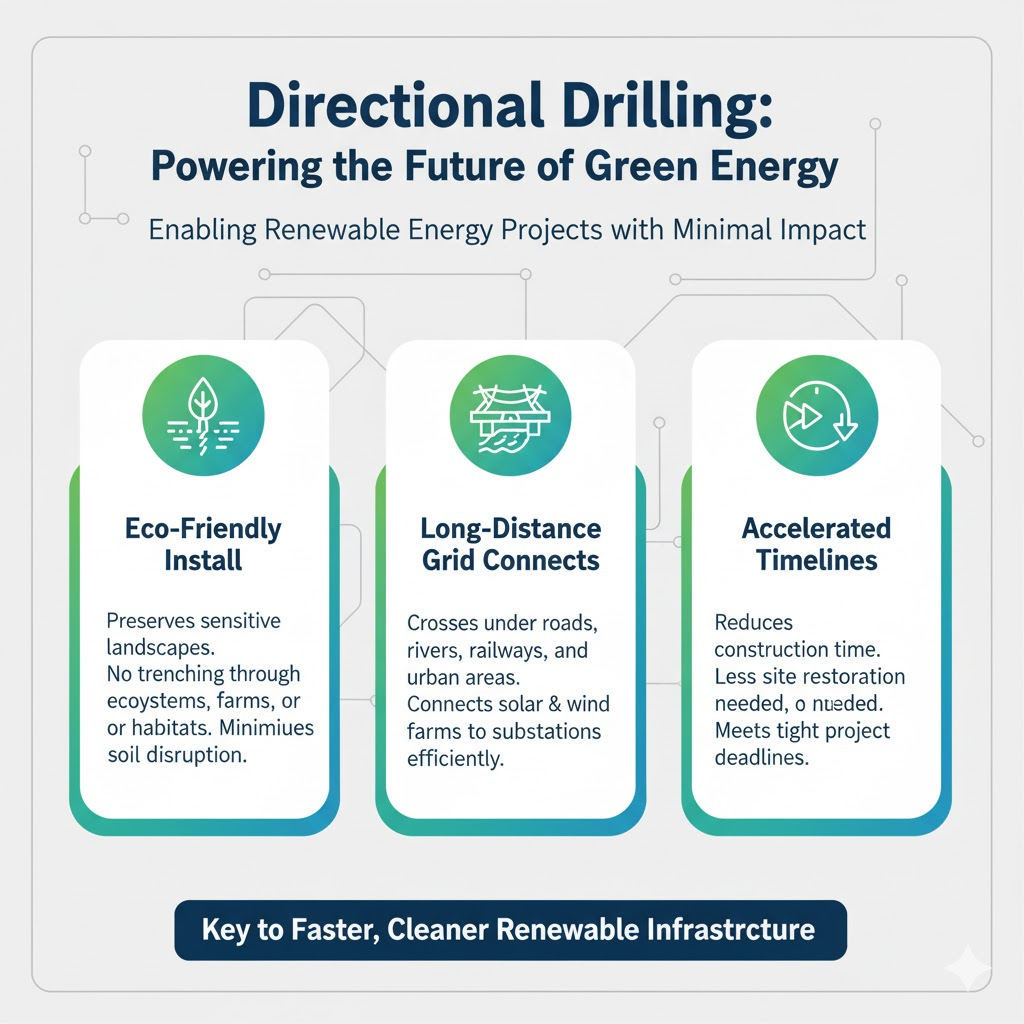
Directional drilling — often referred to as trenchless technology — offers a cleaner, more precise solution. It’s especially valuable for:

  • Installing services in built-up urban corridors
  • Crossing under rivers, roads, or environmentally protected zones
  • Minimising surface disruption during civil infrastructure upgrades

This method has become standard for modern projects involving electrical cabling, water lines, and high-speed data conduits. The directional drilling team at BRP leverages this approach to maintain project timelines while staying well within environmental and safety regulations. It’s not just faster — it’s smarter construction.

The New Utilities Workforce: More Connected Than Ever

Utilities construction is no longer siloed into separate trades. As systems become more interconnected, so too must the people who design and build them.

Today’s workforce needs:

  • Electrical expertise that spans both high-voltage and renewable energy
  • Data and telecoms knowledge, especially around fibre networks and IoT systems
  • Civil construction skills with an eye for sustainability and urban coordination
  • Project management capabilities to align technical, regulatory, and stakeholder demands

These aren’t nice-to-haves; they’re essential for delivering modern utilities projects without costly delays. That’s why BRP’s multi-disciplinary team works across sectors, managing everything in-house — from high-level design to hands-on installation. The result is tighter coordination, less downtime, and infrastructure that’s built to scale with Australia’s growing energy needs.

How Are Sustainability Goals Affecting Utilities Construction Planning?

Net-zero targets and environmental planning laws now impact every stage of utility construction. From design through to decommissioning, contractors must:

  • Use recyclable or low-impact materials
  • Minimise ground disturbance
  • Integrate renewable energy into their builds
  • Reduce fuel use and emissions during construction
  • Include monitoring systems to track performance over time

In response, BRP’s approach to utilities construction prioritises forward-thinking design and material selection. They also integrate energy-efficiency considerations during the planning phase, helping clients meet compliance and sustainability benchmarks without compromising project timelines.

Where Does Integrated Project Management Add Value?

With more stakeholders, tighter deadlines, and complex compliance requirements, integrated project management is no longer optional. It’s a necessity.

Benefits include:

  1. Fewer delays
    Coordinating multiple services (electrical, civil, data) internally means decisions are faster and fewer problems slip through the cracks.
  2. Better budgeting
    Integrated teams can forecast and control costs across disciplines without relying on third-party estimates.
  3. Improved compliance
    With evolving regulations around energy, environment, and safety, a centralised management approach keeps everything on track.
  4. Cleaner communication
    One point of contact for clients ensures clear updates, simplified reporting, and faster approvals.

This level of integration is central to how BRP Industries operates. Their ability to manage complex, multi-service projects ensures smoother delivery and better outcomes across both private and government utilities sectors.

Industry Snapshot: Where the Opportunities Are

Australia’s energy transition has created major infrastructure demand across multiple sectors. Here’s where the action is:

SectorOpportunityWhat’s Needed
RenewablesGrid connections, battery storageElectrical & civil works, smart systems
Urban Development5G rollouts, smart city techTelecommunications & directional drilling
Regional InfrastructureMicrogrids, remote powerHybrid electrical and data networks
Transport & RoadsEV charging networksIntegrated civil and electrical delivery
Water & SewerageSustainable upgradesTrenchless piping, project management

The contractors that can deliver all-in-one packages with sustainable outcomes will be the ones leading this growth,  and BRP is already positioned there.

What Should Clients Look for in a Utilities Contractor Today?

If you’re commissioning or managing infrastructure, make sure your contractor ticks the following boxes:

  • Cross-sector capability – can they manage data, electrical, civil and telecoms together?
  • Environmental planning expertise – do they understand the regulations and how to build sustainably?
  • Advanced construction methods – are they using directional drilling, smart tech, and modular builds?
  • Full project delivery – from planning and approvals to final commissioning?
  • In-house teams – or are they outsourcing and risking coordination issues?

BRP Industries meets all of these requirements with in-house delivery teams and flexible service models. Their ability to plug into both public and private sector projects at any stage makes them a strong partner for clients looking for long-term value.

Ready to Build Smarter? Let’s Talk

Utilities construction in Australia is changing rapidly, but with the right team, it doesn’t have to be complicated.

BRP Industries provides full-scope, future-ready construction services designed to meet the demands of a greener, more connected Australia. Whether you need directional drilling, electrical works, or full-scope project management, their expert team is ready to deliver smart, sustainable infrastructure. Contact us today to speak with a team that understands how to bring modern utilities projects to life, efficiently, sustainably, and with the future in mind.

Turnkey Project Management Benefits for Civil Infrastructure Projects

turnkey project management

Managing a civil infrastructure project can be a logistical nightmare. Between multiple trades, shifting deadlines and tight budgets, things can go off track fast. That’s where turnkey project management makes sense. By using a single provider to manage the full scope from planning to delivery, projects run smoothly and finish faster.

This guide outlines the practical benefits of turnkey project management, especially for large-scale builds in the civil sector.

What is Turnkey Project Management?

Turnkey project management is a fully integrated service where one contractor handles every stage of a project. That includes design, procurement, construction, installation and handover.

The idea is simple. One team, one contract, one clear outcome. The client doesn’t need to coordinate separate trades or juggle shifting timelines.

At BRP Industries, we deliver turnkey solutions across civil, electrical, data, security and telecommunications sectors. From initial scope to final sign-off, we manage it all.

Why Use Turnkey Project Management in Civil Infrastructure?

Civil projects often involve a mix of underground services, heavy machinery, regulatory compliance and multiple specialist trades. Keeping all of that aligned can be difficult, especially when contractors operate in silos.

Turnkey project management fixes that problem by offering:

  • Centralised coordination
    Everything runs through one point of contact, reducing errors and duplication.
  • Clear accountability
    There’s no confusion about who’s responsible. We own the outcome.
  • Streamlined communication
    Faster responses and fewer delays as updates are managed internally.
  • Integrated planning
    Our in-house team coordinates across all trades and timelines to avoid clashes.

This approach has worked seamlessly across regional and metro areas, including the Central Coast and Sydney, where tight coordination is critical for public works.

5 Key Benefits of Turnkey Project Management

Here’s a breakdown of how a turnkey model provides value in real-world infrastructure projects.

1. Faster Project Timelines

With a single provider managing every trade, there are fewer delays between phases. There’s no waiting around for external contractors or chasing multiple suppliers for updates.

At BRP Industries, we handle all services under one roof, which means smoother handovers between disciplines like electrical and civil. This helps projects stay on track, especially in high-pressure environments like those we manage in Brisbane and Gold Coast.

2. Greater Budget Control

Turnkey providers price projects based on the full lifecycle, not just individual components. That means:

  • Reduced overheads
  • More accurate forecasting
  • Fewer unexpected costs from scope creep or rework

When one team manages the entire job, errors are caught early. You don’t waste time fixing avoidable problems caused by a lack of oversight between subcontractors.

3. Better Quality Assurance

A centralised team working toward a single goal can enforce consistent standards across all trades. This is particularly important in projects that combine civil, electrical and communication systems.

Our internal QA processes are standardised, whether we’re rolling out a complex security system in Newcastle or managing a multi-service install in Canberra.

4. Lower Project Risk

Turnkey delivery reduces risk on several fronts:

  • Fewer contractual disputes
    No blame-shifting between subcontractors.
  • Consistent safety protocols
    A single team follows one set of site rules.
  • Proactive issue resolution
    Problems are identified and resolved internally before they escalate.

Our project managers are trained to foresee delays, material shortages or coordination issues before they hit critical stages.

5. Simpler Stakeholder Reporting

Clients often struggle to stay across the details when managing multiple subcontractors. A turnkey provider simplifies updates, reporting and sign-off.

With BRP Industries, clients receive consistent communication and clear milestone tracking from one project lead. We’ve found this makes a real difference on public-sector builds, where transparency and compliance are under constant scrutiny.

Turnkey Project Management Benefits for Civil Infrastructure Projects 1

Use Cases: Where Turnkey Management Works Best

Turnkey is especially useful for complex builds that require input from several trades. It allows infrastructure projects to maintain momentum and avoid bottlenecks.

Common use cases include:

  • New utility installations
    Combining civil excavation, electrical cabling and communications.
  • Public infrastructure upgrades
    Large-scale jobs where safety, access and timing must be tightly managed.
  • Security and surveillance installations
    Integrating physical cabling, power and access control systems.
  • Transport networks
    Coordinating civil works with electrical signalling and data layers.

We’ve delivered turnkey solutions across all of these categories, including major works in Central Coast and urban zones like Sydney, where timelines and public disruption must be minimised.

Comparing Turnkey vs Traditional Project Delivery

Here’s a simple comparison to highlight the key differences.

FeatureTurnkey ModelTraditional Model
Project controlSingle point of accountabilityMultiple parties with shared control
Timeline efficiencyHighMedium to low
Risk exposureCentralised and reducedSpread across contractors
Quality managementConsistent across tradesVaries between providers
CommunicationOne channelMultiple stakeholders
Budget controlHigh transparencyProne to variation

For projects requiring precision, speed and scale, turnkey is the more efficient option.

Regional Capability: Why It Matters

Civil infrastructure isn’t one-size-fits-all. Each region brings its own challenges, from terrain to regulation.

BRP Industries operates across multiple regions, including Brisbane, Newcastle, and Canberra, tailoring solutions to local conditions. Our regional presence means we can mobilise quickly and maintain local supply chains, which helps reduce delivery times and project costs.

We also work closely with councils and developers to align builds with local infrastructure requirements.

Is Turnkey Right for Your Project?

While turnkey isn’t the right fit for every build, it’s ideal for projects that need:

  • Multiple services integrated under one plan
  • A reliable timeline and cost structure
  • Full-service delivery from concept to completion
  • Reduced risk of miscommunication or non-compliance

If you’re working on a civil or infrastructure project that requires speed, structure and clarity, turnkey could be the smarter route.

Want a Smarter Way to Deliver Your Next Project?

Turnkey project management isn’t just a buzzword. It’s a practical, proven method for delivering infrastructure projects on time, on budget and without the chaos.

At BRP Industries, we bring together multi-skilled trades, project managers and industry experts to make sure your project runs smoothly from the first call to final handover. If you’re ready to simplify your next infrastructure build, get in touch with BRP Industries. We’re ready when you are.

Directional Drilling Projects Supporting Renewable Energy in 2026

directional drilling projects

Australia’s renewable energy sector is evolving rapidly. From large-scale solar farms to decentralised wind generation and smart city infrastructure, one common challenge remains: how to install underground services efficiently, cost-effectively, and with minimal disruption.

Directional drilling has become the go-to solution for connecting renewable energy projects to the grid. As 2026 approaches, this trenchless technology is helping developers, councils, and contractors complete complex infrastructure with speed and precision, without tearing up the landscape.

In this blog, we explore how directional drilling is supporting renewable energy rollouts and why companies like BRP Industries are leading the charge.

What is directional drilling, and why is it used in renewables?

Directional drilling (also referred to as horizontal directional drilling or HDD) is a method used to install underground utilities without traditional trenching. It allows pipes, conduits and cables to be laid along precise underground paths, even beneath rivers, roads and built-up areas.

This is ideal for renewable energy installations where the environment must be preserved and surface disruption minimised.

Whether it’s a solar farm in regional NSW or EV charging infrastructure in Brisbane, directional drilling is the preferred technique to get underground services from point A to B with minimal impact.

How directional drilling supports renewable energy projects

  1. Environmental preservation
    Large-scale solar and wind projects are often located in areas with sensitive terrain, agriculture or native ecosystems. Using directional drilling allows essential infrastructure to be installed with minimal excavation or damage to the surface.
  2. Grid connections across long distances
    Renewable projects require electrical and data cabling to connect them to substations and national networks. Directional drilling allows these services to cross long distances, including under roadways, rail corridors or waterways.
  3. Rapid project timelines
    With trenchless methods, downtime and site restoration are significantly reduced. This is particularly valuable when working to tight construction deadlines or during weather-sensitive windows.
How directional drilling supports renewable energy projects

The team at BRP Industries has delivered directional drilling solutions for energy infrastructure projects across the East Coast, including recent work in Sydney and the Central Coast, supporting local councils and private developers.

The role of directional drilling in solar farm infrastructure

Installing underground services in and around solar farms requires a non-invasive approach. Trenches can damage existing vegetation, require lengthy remediation, and interrupt operations.

Directional drilling allows:

  • Conduits to be installed under internal access roads without cutting through gravel or concrete
  • Electrical lines to connect panels to switchboards and substations with no surface disturbance
  • Telecommunications and fibre lines to enable remote monitoring of solar systems

In projects across regions like Newcastle, solar developers are increasingly specifying HDD as the default method for underground installation. It offers both environmental protection and cost savings in the long term.

Wind farms and directional drilling: a practical partnership

Wind energy projects face unique geographical challenges. Often located in elevated or coastal regions, these sites typically span vast areas and require high-voltage underground cabling.

Directional drilling plays a key role by:

  • Allowing cable installation under slopes and rough terrain
  • Crossing beneath public roads without needing council road opening permits
  • Preserving native vegetation zones or animal corridors

In locations like Canberra, where wind farm development is ramping up, HDD techniques help simplify approvals and improve the environmental profile of the project.

Electric vehicle infrastructure and smart cities

As EV adoption increases, so does the need for charging infrastructure. Cities across Australia are upgrading streetscapes to include public and private chargers, most of which require an underground electrical supply.

Directional drilling is used to:

  • Install conduits beneath footpaths, kerbs and carparks
  • Connect charging stations to the main grid or microgrid
  • Integrate EV chargers with smart energy management systems

In Gold Coast, the shift to smart city infrastructure includes trenchless installation of fibre networks and power cabling, all of which benefit from HDD’s clean, efficient approach.

What’s new in directional drilling technology for 2026?

The trenchless industry is embracing automation and improved geotechnical analysis tools to boost accuracy and safety. In 2026, we’re seeing directional drilling evolve with:

  • Real-time tracking and GPS-guided rigs
    Improves bore path accuracy and reduces the risk of utility strikes.
  • Advanced ground condition analysis
    Helps contractors avoid problem soils and reduce project risk.
  • Electric drill rigs
    Lower emissions and quieter operation, ideal for urban sites or environmentally sensitive areas.
What’s new in directional drilling technology for 2026
image

With rising expectations for sustainability and efficiency, civil contractors are prioritising HDD on tenders that involve renewable or public infrastructure.

Where BRP Industries fits in

BRP Industries offers a full range of HDD services with in-house project management, giving clients complete confidence from planning to handover. We bring together expertise in electrical, communications and civil works, which makes us a strong delivery partner on complex infrastructure jobs.

Clients value our ability to provide tailored solutions across different environments. Whether it’s directional drilling beneath busy city streets in Brisbane or navigating rural conditions on remote solar sites, BRP brings practical insight and reliable outcomes.

Our team has also supported cross-regional work involving multiple councils and utilities, managing the logistics and compliance needed for seamless execution.

Key benefits of working with BRP on directional drilling projects

  1. End-to-end delivery
    From design review to traffic control and reinstatement, everything is handled in-house.
  2. Multi-sector experience
    Projects spanning energy, telecommunications, data centres, government and civil infrastructure.
  3. Geographically flexible
    Operating across major regions including Sydney, Canberra, Gold Coast and more.
  4. Highly trained personnel
    Our tradespeople are qualified, ticketed and experienced across a wide range of field conditions.
  5. Transparent project communication
    Clients are updated through every stage, ensuring no surprises and minimal delays.

Where to next for renewable energy and trenchless delivery?

The renewable energy sector is forecast to expand significantly through 2026 and beyond. With federal and state incentives continuing to drive uptake, infrastructure requirements will become more complex and interconnected.

Directional drilling will remain a core strategy to manage this complexity, delivering power, data and control cabling with speed and efficiency.

Organisations looking to future-proof their energy and utility projects are already specifying HDD at the planning stage, especially where sensitive land or strict environmental conditions apply.

Let’s talk about your next directional drilling project

From solar and wind installations to EV charging rollouts, BRP Industries is ready to support your next infrastructure project with smart, trenchless delivery.

With a professional, multi-skilled team and extensive experience across sectors, we deliver directional drilling services that help renewable energy projects stay on track and under budget.If you’re planning a project and want expert input, contact us today to learn how we can assist with seamless underground delivery solutions across NSW and QLD.