

Vacuum excavation is no longer viewed as a specialist technique.
Across construction, utilities, and infrastructure projects, it is increasingly the expected method for exposing underground services safely.
As regulatory expectations tighten in 2026, contractors are being judged not just on outcomes, but on the decisions that led there.
Understanding how vacuum excavation safety fits into modern compliance is now essential rather than optional.
What Is Vacuum Excavation and How Does It Improve Safety?
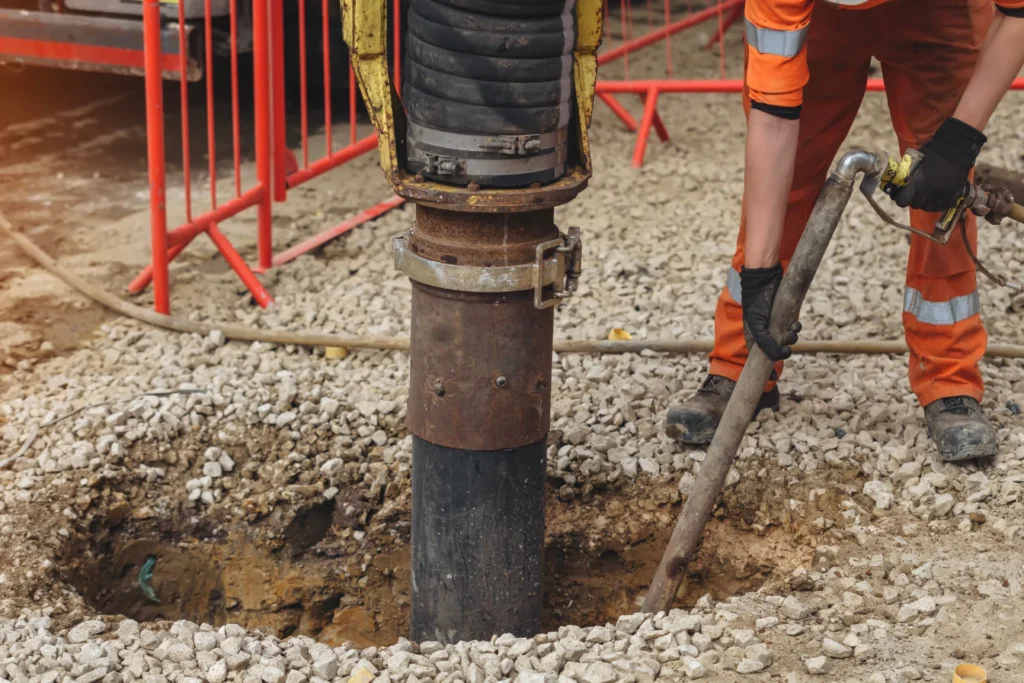
Vacuum excavation is a non-destructive digging method that uses air or water to loosen soil, which is then removed via a high-powered vacuum system.
Unlike mechanical excavation, it allows underground services to be exposed without physical contact.
From a safety perspective, this has direct, measurable benefits.
• Reduced likelihood of striking live electrical, gas, or communications assets
• Clear visual confirmation of service location before further works
• Lower risk of manual handling injuries associated with hand digging
• Less disruption to surrounding ground conditions
These advantages explain why vacuum excavation is now standard practice during early works on many large projects delivered by multidisciplinary contractors such as BRP Industries, where excavation must integrate safely with electrical, data, and civil scopes.
How Vacuum Excavation Safety Regulations Are Shifting in 2026
Safety regulation in 2026 is less focused on prescriptive rules and more focused on demonstrated risk control.
Regulators want evidence that safer methods were identified, selected, and correctly applied.
Key regulatory trends affecting contractors include:
- Non-destructive excavation as an expected control
When services are present or suspected, vacuum excavation is increasingly treated as the default option. - Service verification over reliance on plans
Dial Before You Dig plans are still required, but physical verification is now expected on higher-risk sites. - Accountability across the project chain
Principal contractors are responsible for ensuring subcontractors apply compliant excavation methods. - Increased scrutiny following incidents
Investigations now focus heavily on whether vacuum excavation could reasonably have prevented damage.
These expectations are particularly relevant for infrastructure works delivered across multiple regions, such as projects on the Central Coast, where providers offering vacuum excavation services are often engaged specifically to meet compliance requirements rather than productivity targets alone.
Contractor Responsibilities Under Vacuum Excavation Safety Standards
Vacuum excavation safety is not achieved through equipment choice alone.
It relies on planning, communication, and execution working together.
Contractors are typically responsible for:
• Confirming underground service locations through non-destructive exposure
• Preparing excavation-specific risk assessments and SWMS
• Ensuring operators are trained, inducted, and supervised
• Maintaining vacuum excavation equipment in safe working order
• Coordinating traffic and pedestrian controls where excavation interfaces with public space
On complex builds, excavation is rarely an isolated activity.
It interacts with electrical, civil, and telecommunications works, which is why contractors with integrated delivery experience, like those showcased across the BRP Industries projects portfolio, are better positioned to manage excavation risk holistically rather than in isolation.
Training and Competency as a Core Safety Control
In 2026, operator competency is treated as a frontline safety control.
Well-trained crews reduce uncertainty, hesitation, and unsafe improvisation on site.
Effective training frameworks typically address:
- Interpreting service plans and on-site indicators
- Adjusting the excavation technique for different soil conditions
- Managing air or water pressure to avoid asset damage
- Recognising when excavation should pause for reassessment
- Clear communication between operators, spotters, and supervisors
This becomes particularly important on active metropolitan sites, such as those requiring vacuum excavation in Sydney, where excavation often occurs alongside live traffic, pedestrians, and other trades.
Competency reduces risk not by slowing work down, but by preventing mistakes that cause delays, investigations, and rework.
Why Vacuum Excavation Is Safer on Urban and Congested Sites
Urban construction sites amplify risk.
Multiple services, limited access, and public exposure leave little margin for error.
Vacuum excavation directly addresses these challenges by enabling controlled, targeted digging rather than broad ground disturbance.
Safety advantages include:• Precise exposure of services in confined spaces
• Reduced vibration near existing structures
• Improved coordination with concurrent works
• Faster identification of undocumented assets
These factors are why vacuum excavation is now widely adopted on projects across Brisbane, where dense service corridors make traditional excavation methods increasingly difficult to justify from a safety perspective. Contractors delivering vacuum excavation services in Brisbane are often engaged specifically to reduce strike risk during early-stage works.
Documentation and Process Control Expectations
One of the clearest regulatory shifts is the emphasis on documentation that reflects real decision-making.
Paperwork that exists purely for compliance is no longer sufficient.
In 2026, contractors are expected to maintain:
• Site-specific excavation risk assessments
• Records of service verification through vacuum excavation
• Equipment inspection and maintenance logs
• Operator training and competency evidence
• Incident and near-miss reporting processes
This documentation is frequently reviewed following service strikes or safety incidents.
For contractors operating across jurisdictions, such as those delivering works in Canberra via vacuum excavation services, consistent systems reduce regulatory exposure and improve audit outcomes.
When Vacuum Excavation Should Be the Default Choice
For most contractors, the decision is no longer complex.
Vacuum excavation should be the default method when:
• Working near known or suspected underground services
• Preparing for mechanical excavation
• Excavating in public-facing or high-traffic areas
• Operating within congested service corridors
• Undertaking investigative or verification works
Using mechanical excavation without prior non-destructive exposure is increasingly difficult to defend following an incident.
From both a safety and commercial perspective, vacuum excavation reduces uncertainty and supports smoother project delivery.
The Future of Vacuum Excavation Safety
Vacuum excavation safety will continue to evolve alongside technology and regulation.
Improved service mapping, smarter equipment, and better integration with project management systems are already influencing best practices.
Contractors who treat vacuum excavation as a safety strategy rather than a specialist service are better positioned to meet future expectations.
Safety, compliance, and efficiency are no longer competing priorities. They are increasingly linked.
Choosing an Excavation Partner Who Understands Safety
Safe excavation outcomes depend on judgment as much as equipment.
Experience across varied environments, clear systems, and disciplined execution all matter.BRP Industries delivers vacuum excavation as part of an integrated construction offering, supporting safer outcomes across civil, electrical, data, and telecommunications projects.
If you are planning upcoming excavation works and want a compliant, practical approach, you can contact the BRP Industries team to discuss how vacuum excavation can be safely integrated into your project scope.