

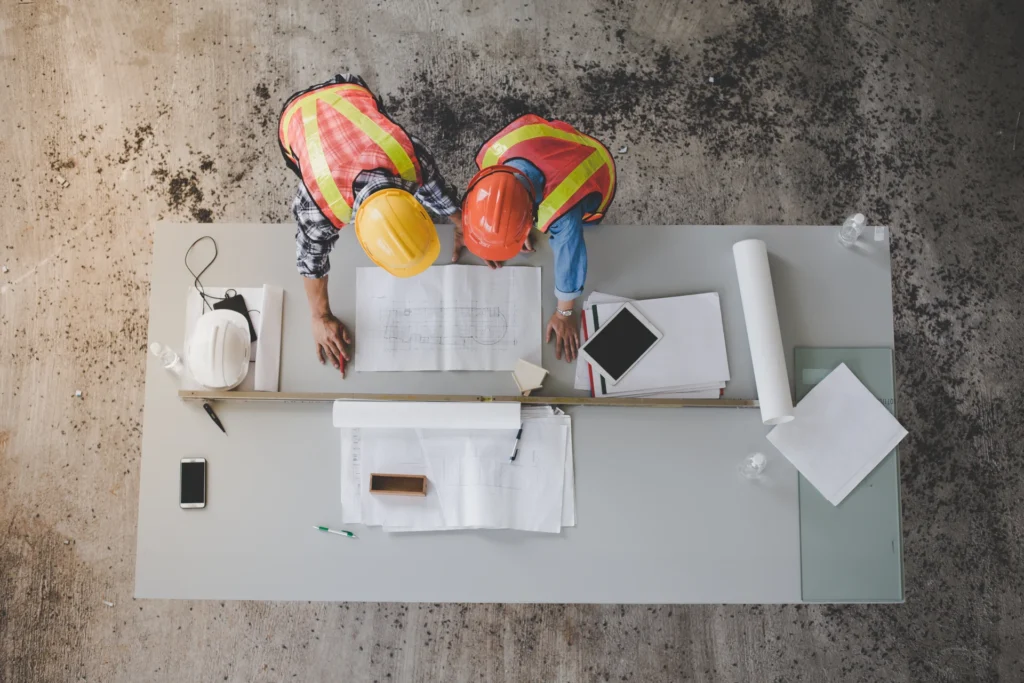
Managing a construction project in 2026 isn’t what it used to be. Today’s construction leaders are balancing tight deadlines, complex stakeholder requirements, high safety standards and the rapid evolution of technology. But here’s the good news: with the right approach, tools and trends on your radar, construction project management doesn’t just get easier, it gets smarter.
In this guide, we’re breaking down what’s changing, what’s coming, and how you can stay ahead with construction project management.
What is Construction Project Management in 2026?
Construction project management is the strategic planning, coordination and execution of building and infrastructure projects. In 2026, it’s no longer just about schedules and budgets. It’s about integration.
Project managers now need to blend technology, compliance, safety, sustainability and communication into every stage of delivery. That’s especially true for large-scale projects like civil infrastructure, telecommunications and utilities construction.
Key Trends Shaping Construction Project Management in 2026
The construction landscape is shifting. These are the core developments currently redefining how projects are managed, especially in complex builds across civil and industrial sectors.
1. Integrated Digital Workflows
Construction teams are now using integrated digital platforms that unify every part of a project lifecycle:
- BIM (Building Information Modelling): Allows teams to simulate every stage of a build before it begins. It also reduces errors and improves coordination.
- Cloud-based project management tools: Platforms like Procore or Aconex centralise communication and documentation.
- Mobile access: Site teams access real-time updates, drawings and checklists via tablet or smartphone.
For civil projects such as utility construction or vacuum excavation, this level of digital integration ensures smoother coordination between teams and fewer delays.
2. Smarter Resource Planning
Labour shortages and rising costs are pushing project managers to sharpen their resource planning. In 2026, it’s all about accuracy.
Tools now enable:
- Workforce forecasting to allocate labour where it’s needed most.
- Equipment scheduling to reduce downtime.
- Material tracking systems that prevent over-ordering or waste.
In complex builds involving directional drilling or telecommunications infrastructure, even small errors in planning can result in major cost blowouts. Better forecasting means fewer surprises.
3. Sustainability in Every Stage
Environmental accountability isn’t optional in 2026. It’s embedded in construction project management:
- Green building materials: Lower carbon footprints and longer lifecycle value.
- Energy-efficient site practices: From lighting to machinery usage.
- Recycling and waste management plans: Required on many government-funded projects.
For infrastructure builds, like civil construction, sustainability plans often determine project approval, especially in urban or high-traffic zones.
4. Advanced Safety Management
Workplace safety is non-negotiable. Today’s tools are helping project managers proactively manage risks:
- Wearable tech: Monitors worker movement and fatigue.
- Real-time hazard reporting: Logged via apps directly from the site.
- AI-powered incident analysis: Helps prevent repeat safety issues.
These systems are vital when managing projects in sectors like intelligent traffic systems or high-voltage electrical installations, where precision and prevention are critical.
How Are Tools Transforming Construction Project Management?
Construction tech in 2026 is all about smarter decision-making and smoother delivery. With the right tools, project managers can streamline operations, reduce delays and stay ahead of complex project demands, especially in high-stakes environments like infrastructure, utilities, and telecoms.
AI and Machine Learning
AI is now playing a key role in construction workflows by analysing data to highlight risks, bottlenecks and inefficiencies before they escalate. It’s being used to:
- Predict scheduling delays using historic and real-time site data
- Suggest cost-saving procurement strategies based on past trends
- Automatically adjust timelines when site conditions change
These capabilities are proving critical in large, multi-service projects, like those managed under accredited service provider frameworks, where multiple approvals, suppliers and technical requirements intersect.
Drones and Site Mapping
Drones are revolutionising how large-scale construction sites are monitored and mapped. With high-resolution aerial data, teams can:
- Survey and map project sites in a fraction of the usual time
- Monitor real-time progress without disrupting operations
- Detect access issues, topographical challenges or compliance risks early
For expansive sites involving utility construction or non-invasive methods like vacuum excavation, drone mapping offers rapid oversight without physically navigating every corner of the site.
Project Dashboards and Reporting Tools
Gone are the days of siloed spreadsheets and endless email chains. Today’s digital dashboards centralise all project data and make it actionable:
- Key performance indicators (KPIs) are tracked in real time
- Contractor performance and progress are visible at a glance
- Compliance and safety milestones are monitored with automatic alerts
This tech is fully embedded in BRP’s project management approach, helping teams and clients stay in sync from start to sign-off, whether it’s a new data network, civil infrastructure or a smart city rollout.
How Do You Build a Strong Construction Project Management Team?
You can’t deliver complex, multi-disciplinary projects without the right team. The most effective construction project management teams in 2026 bring together a mix of technical expertise, clear communication and operational precision.
1. Multidisciplinary Experience
Today’s projects span a wide range of systems, including electrical, telecommunications, civil, and beyond. Success depends on a team that understands how these elements interact.
At BRP Industries, the team combines practical experience across civil construction, intelligent traffic systems and advanced communications infrastructure. That means no need for juggling multiple subcontractors or consultants; everything is coordinated under one roof.
2. Communication and Transparency
Stakeholders want clarity. Project managers must:
- Communicate timelines and delays openly
- Use tools that allow real-time updates
- Keep clients in the loop from day one
3. Compliance-Focused Mindset
From utilities to directional drilling, regulatory compliance is more complex than ever. A top-tier team knows how to:
- Work within Australian standards
- Handle necessary permits and approvals
- Maintain meticulous documentation
What Challenges Should Project Managers Watch Out For in 2026?
Not everything’s smooth sailing. These are some key challenges you’ll need to navigate:
- Data overload: More tech = more data. Make sure your tools are integrated, not siloed.
- Supply chain disruptions: Still a factor in 2026. Early procurement planning is essential.
- Regulatory changes: Keep up with evolving environmental and safety laws.
- Coordination across subcontractors: Especially tricky on large infrastructure jobs without a central management team.
To avoid these pitfalls, many developers are turning to single-source teams like BRP that offer complete delivery from design to final sign-off.
Looking Ahead: What’s Next for Construction Project Management?
The future is smart, data-driven and collaborative. Expect to see:
- Greater automation: From workflows to reporting.
- Increased use of robotics: Especially for high-risk, repetitive tasks.
- Smarter cities: Construction will be driven by tech-integrated infrastructure.
As demand rises for fibre networks, intelligent traffic control, and energy-efficient utility systems, those who can manage complexity with agility will lead the pack.
Ready to Rethink Project Delivery?
Construction project management in 2026 is all about smarter tools, tighter integration and seamless collaboration. Whether you’re building infrastructure, rolling out telecommunications upgrades or managing utilities on a major site, it’s vital to have a team that understands both the scale and the detail.
That’s where BRP Industries comes in. We combine technical depth with end-to-end project management, helping developers and builders deliver on time, every time.
Get in touch to find out how our expert team can support your next project with intelligent, stress-free delivery.