

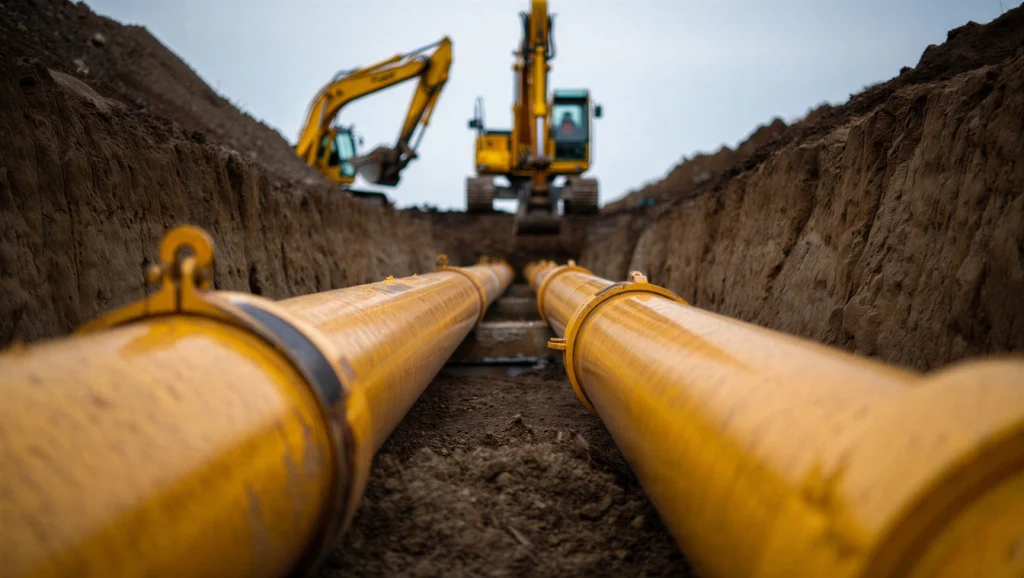
Australia’s infrastructure pipeline is never quiet for long.
Between population growth, energy transition targets, housing pressure, regional development and ageing networks, utilities are under serious pressure to perform. The Federal Budget 2026 conversation matters because it shapes where planning, funding and delivery attention will go next.
Here’s what construction leaders, developers and project teams should understand about utilities infrastructure projects.
What Are Utilities Infrastructure Projects?
Utilities infrastructure projects involve the essential systems that keep communities, buildings and industries operating.
This includes electricity, water, sewer, gas, telecommunications, data networks and supporting civil works. These projects often sit quietly behind the scenes, but when they are poorly planned, delayed or underfunded, everyone notices very quickly.
No pressure, then.
Why Utilities Infrastructure Projects Matter In The 2026 Budget Conversation
Utilities infrastructure projects are closely linked to Australia’s biggest national priorities.
Housing delivery relies on power, water, sewer and communications networks being available before new communities can function. Renewable energy requires grid upgrades, substations, underground services and connection works. Industrial growth depends on a reliable supply across electrical, data and telecommunications systems.
That is why the 2026 Federal Budget matters to contractors and project managers.
Even when funding is announced for housing, transport, defence, energy or regional development, utility works are often part of the hidden delivery load. A new precinct, industrial estate or public facility still needs service connections, trenching, pits, conduits, cable hauling, metering and commissioning.
For contractors, the practical takeaway is simple: watch the downstream work.
The headline may be about homes, hospitals or clean energy. The actual construction pipeline may include months or years of utilities work before those assets are operational.
BRP Industries has already explored how the energy transition is shaping utility construction, and the same theme will continue to influence infrastructure planning well beyond 2026.
How Federal Budget Priorities Can Affect Utilities Infrastructure Projects
Federal budgets do not usually tell contractors exactly which cable route, conduit bank or service trench will be required next Tuesday.
That would be oddly specific, and frankly, a little unsettling.
What they do provide is direction. Budget commitments can influence project approvals, state funding agreements, regional development programmes, housing infrastructure support and clean energy investment. Once those commitments move into delivery, utilities contractors often become essential to the build.
Here are the areas most likely to influence utilities infrastructure projects.
| Budget priority area | Likely utilities impact | What contractors should watch |
|---|---|---|
| Housing and urban growth | New service connections, network upgrades and civil enabling works | Subdivision activity, precinct planning and local authority approvals |
| Renewable energy | Electrical infrastructure, conduits, substations and grid connection works | Transmission projects, solar farms, batteries and connection packages |
| Regional development | Water, power, telecommunications and access upgrades | Regional tender pipelines and council infrastructure programmes |
| Digital connectivity | Fibre, pits, ducts, data and telecommunications works | Broadband upgrades, smart city projects and public asset digitisation |
| Climate resilience | Stormwater, water security and more robust network design | Flood mitigation, backup supply and asset hardening projects |
For delivery teams, this means early planning matters.
A budget announcement may sound broad, but the contractors who prepare early are usually better placed when tenders land. That includes reviewing design requirements, labour capability, procurement risks and compliance obligations.
Strong planning also reduces avoidable cost blowouts. For complex infrastructure work, structured project risk management can help teams identify service clashes, access constraints, safety issues and programme delays before they become expensive surprises.
Where Utilities Infrastructure Projects Fit Into Australia’s Construction Pipeline
Utilities are not a separate conversation from construction. They are the conversation that makes everything else possible.
A housing estate cannot welcome residents without power, water and telecommunications. A hospital cannot open without reliable electrical systems, data networks, backup services and carefully managed commissioning. A renewable project cannot export energy without grid connection infrastructure.
That makes utilities infrastructure projects a key part of Australia’s broader construction pipeline.
For developers and principal contractors, this creates a need for early engagement with utility specialists. Leaving service planning too late can cause redesigns, access problems and sequencing issues. It can also create awkward conversations that begin with “small problem” and end with everyone staring at a Gantt chart in silence.
Several trends are likely to keep utility works front and centre.
- More complex service coordination
Modern sites often involve overlapping electrical, telecommunications, water, stormwater and civil requirements. The more services involved, the greater the need for experienced coordination. - Greater demand for low-disruption methods
In busy urban corridors, open trenching is not always practical. This is where trenchless methods can support delivery with less surface disruption. - More pressure on safety and compliance
Working around live assets, traffic, public areas and existing underground services requires careful planning. Vacuum excavation, non-destructive digging and detailed service location can reduce risk. - Growing demand for integrated delivery
Clients increasingly want fewer handover gaps between design, civil works, electrical delivery and commissioning.
That last point is especially important. A contractor that understands electrical, data, security, telecommunications and civil works can reduce coordination friction across a project. For large-scale builds, that can make the difference between steady progress and a calendar full of “urgent alignment meetings”.
What Contractors Should Prepare For In Utilities Infrastructure Projects
Contractors do not need to predict every budget outcome to prepare well.
They need to understand the direction of travel and strengthen the fundamentals that make them valuable delivery partners. Utilities infrastructure projects are becoming more complex, more connected and more closely watched by clients, regulators and communities.
The first priority is capability.
Projects linked to public investment, energy transition and essential services tend to have higher standards around safety, documentation, reporting and quality assurance. Contractors should ensure their systems can support the level of governance expected on larger projects.
The second priority is design awareness.
Civil and utilities contractors do not always control the original design, but they certainly feel the consequences of poor design. Understanding civil design expectations helps project teams identify practical issues early, especially around access, constructability and compliance.
The third priority is technology.
Smart water systems, digital monitoring, remote asset management and data-led maintenance are becoming more common in utilities work. Contractors that understand how physical infrastructure supports digital systems will be better positioned as clients look for smarter, more resilient networks. This is particularly relevant where smart water systems are being used to improve efficiency and visibility across assets.
The fourth priority is delivery discipline.
Budget-driven pipelines can create opportunity, but they can also create pressure. Labour shortages, material lead times, approvals and weather risks can all affect delivery. Good project management helps keep the work moving without turning every delay into a full-blown drama.
How Utilities Infrastructure Projects Can Support Energy, Housing And Regional Growth
Utilities infrastructure projects sit at the centre of three major national challenges: energy, housing and regional growth.
For energy, the transition to renewables requires more than generation assets. It also needs civil works, connection infrastructure, electrical upgrades, telecommunications support and careful coordination with existing networks. Directional drilling, trenchless installation and complex conduit works can all support cleaner energy projects where traditional excavation is difficult or disruptive.
For housing, utility readiness can make or break delivery timelines. New homes need more than land release and planning approval. They need practical access to water, power, communications and sewer infrastructure. When these services lag, housing supply targets become harder to meet.
For regional growth, utility upgrades can unlock new industrial, residential and community projects. Reliable services make it easier for businesses to operate outside major metro areas, which can support local employment and long-term investment.
There is also a sustainability angle.
Infrastructure is increasingly expected to last longer, waste less and support lower emissions outcomes. That means sustainable materials, efficient design, smarter installation methods and better lifecycle thinking. The shift towards net-zero infrastructure is not just a design trend. It is becoming part of how clients judge value.
For contractors, this is an opportunity to move beyond “build what is on the plan”.
The best project partners can help clients think through delivery risk, staging, constructability, safety and future maintenance. That is particularly useful in utilities, where buried assets are expected to perform reliably for decades after everyone has packed up the site office.
What Should Project Teams Do Next?
Federal Budget updates are useful, but they are only one part of the picture.
Project teams should also monitor state infrastructure plans, local council works programmes, network provider requirements and tender activity. Utilities infrastructure projects often emerge through a mix of federal direction, state delivery, private development and utility provider investment.
A practical preparation checklist might include:
- Review upcoming project pipelines
Look at housing, renewable energy, regional and public infrastructure announcements that may require utility works. - Assess delivery capacity
Consider whether your team has the right electrical, telecommunications, data, security and civil capability for larger packages. - Check compliance requirements early
Public and utility-related works often involve strict documentation, safety and accreditation expectations. - Strengthen subcontractor coordination
Clear responsibility lines help avoid delays when multiple trades and services are working in the same corridor. - Plan around existing assets
Locate services properly, manage excavation risks and use low-impact methods where appropriate.
For principal contractors and developers, the biggest lesson is to involve utilities expertise early. It is much easier to fix a design issue before the ground is open and everyone is pretending the problem is “minor”.
Ready To Deliver Smarter Infrastructure?
Utilities infrastructure projects will continue to play a major role in Australia’s construction future, especially as funding priorities focus on housing, energy, resilience and regional growth.
The 2026 Federal Budget conversation is a useful reminder that essential services are not an afterthought. They are the systems that make major projects work.
BRP Industries supports large-scale construction and building projects across electrical, data, security, telecommunications and civil sectors, with project management capability from start to sign-off.
To discuss your next utilities or civil infrastructure project, get in touch with BRP Industries today.