

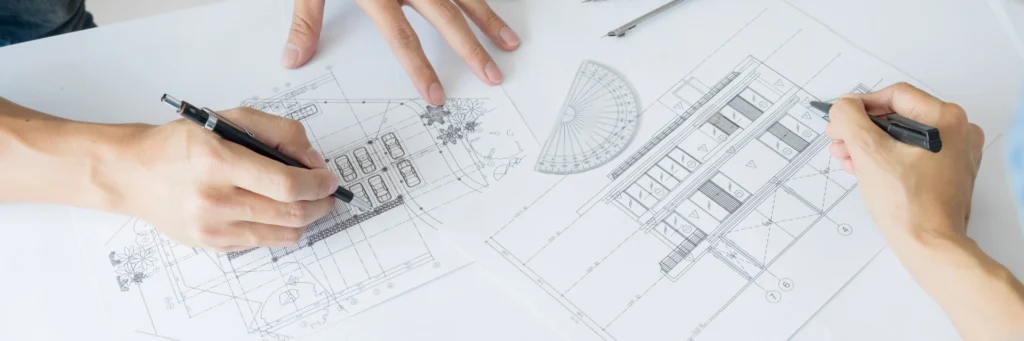
Civil design can look neat on paper, then become painfully untidy once excavation, drainage, access, utilities and approvals enter the chat.
For contractors, understanding the rules behind roads, stormwater, earthworks and public infrastructure helps prevent delays, rework and expensive “surprises”. Here is what matters most when working with civil design standards.
What Are Civil Design Standards?
Civil design standards are the technical rules, codes and specifications used to plan, design and build civil infrastructure.
They guide how assets such as roads, footpaths, drainage, pits, conduits, kerbs, retaining structures and utility corridors should be designed and delivered. In Australia, these standards vary by project type, location, authority and site conditions.
For contractors, the trick is not just knowing that standards exist. It is knowing which ones apply, who enforces them and how they affect work on site.
Why Civil Design Standards Matter in Australia
Civil design standards help make infrastructure safe, durable, compliant and practical to maintain.
They also create consistency. A stormwater pit in Brisbane, a road crossing in Sydney and a service trench on the Central Coast may all have different approval pathways, but each needs to satisfy a clear technical expectation.
Contractors working across regions need to understand that national guidance often sits alongside state, territory and local requirements. For example, the National Construction Code influences building-related compliance in Australia, while road, drainage and civil infrastructure requirements are often shaped by local councils, transport authorities and project-specific specifications.
That is why a contractor delivering civil construction on the Central Coast may need to manage different approval expectations from a team working on civil construction in Sydney, even when the physical works look similar at first glance.
The key point is simple. Standards are not paperwork for the sake of paperwork. They help everyone avoid building something that looks finished but fails inspection, floods during the first proper downpour or creates maintenance headaches later.
Key Civil Design Standards Contractors Should Understand
Civil design standards in Australia usually draw from a mix of national codes, Australian Standards, state authority specifications and local council engineering guidelines.
The exact mix depends on the project. A subdivision road, a commercial development driveway, a civil works package for a utilities upgrade and a telecommunications pit installation will not all be assessed in the same way.
Still, contractors commonly need to consider the following areas.
| Civil design area | Why it matters for contractors |
| Road geometry | Determines widths, turning paths, gradients, sight lines and access safety |
| Stormwater drainage | Controls how water is collected, conveyed, detained and discharged |
| Earthworks and levels | Affects cut, fill, compaction, batters, retaining needs and site stability |
| Utilities and services | Guides safe placement of electrical, data, telecommunications and other services |
| Public domain works | Covers footpaths, kerbs, crossings, reinstatement and council asset protection |
| Safety and constructability | Ensures designs can be built safely, efficiently and in the correct sequence |
For transport-related works, guidance from bodies such as Austroads is commonly referenced across Australia, particularly where road design, traffic management and road safety are involved. For workplace risk, contractors should also refer to Safe Work Australia, as compliance is not complete unless the design can be built and maintained safely.
This is where multidisciplinary contractors have an advantage. BRP Industries works across electrical, data, security, telecommunications and civil sectors, so design decisions can be reviewed with practical delivery in mind rather than treated as isolated lines on a drawing.
A good example is underground services. A civil alignment that ignores conduit routes, pit locations, future access and separation requirements can create avoidable conflict. When civil and services teams coordinate early, the design is less likely to turn into a trench-based guessing game.
How Civil Design Standards Affect Project Planning
Civil design standards affect planning long before machinery arrives on site.
They influence surveys, design documentation, permits, traffic control, erosion and sediment controls, service investigations, staging and inspection points. Contractors who treat standards as a late-stage compliance check often discover issues when changes are most expensive.
A practical planning process should begin with three questions.
- Which authority controls the asset?
The asset owner may be a council, state authority, utility provider, developer or private client. Their requirements shape the design and approval process. - Which specifications are contractually required?
Drawings, scopes, engineering reports and tender documents may nominate particular standards. These must be checked early, not rediscovered during a defect inspection. - Which site constraints could affect compliance?
Existing services, poor ground, restricted access, drainage fall, traffic movement and neighbouring assets can all change how a standard is applied.
For example, teams delivering civil construction solutions in Brisbane often need to consider local stormwater behaviour, site access and authority requirements at the same time. A technically correct design that is difficult to stage safely can still cause trouble on the ground.
The same applies to high-growth coastal areas. Contractors working with civil contractors on the Gold Coast may face tight access, existing services and public domain requirements that need to be built into planning from the start, not squeezed in after the first inspection.
Planning also needs to account for documentation. Inspection test plans, as-built records, compaction results, materials certificates and hold point approvals can be just as important as the physical works. No one enjoys paperwork, but everyone enjoys being paid without a compliance argument.
Common Civil Design Standards Issues on Site
Most civil design issues are not dramatic. They are usually small oversights that become expensive because they affect sequencing, approvals or safety.
Common problems include incorrect levels, missing service information, unclear reinstatement requirements, underestimated drainage flows, unsuitable materials, non-compliant access gradients and clashes between civil works and utility installations.
Contractors can reduce these issues by reviewing design documents through a buildability lens. That means asking whether the design can be constructed safely, in sequence and with available access, plant and materials.
A drawing may show a neat drainage line, but the site may have existing services in the way. A kerb alignment may work geometrically, but not with vehicle turning movements during construction. A trench detail may comply in theory, but require adjustment once ground conditions are exposed.
This is especially important in regional and urban environments where existing infrastructure may be older, incomplete or inconsistently recorded. Teams delivering civil construction services in Newcastle may need to balance local site history, service coordination and authority inspections within one civil works programme.
Government guidance can also affect how contractors approach risk. The Model Code of Practice for Construction Work from Safe Work Australia provides practical guidance on construction safety duties, which should sit beside technical design compliance. A design that cannot be constructed safely is not a small detail. It is a flashing red warning light wearing a hard hat.
Good contractors also communicate early. When a conflict appears, raising it quickly with engineers, project managers and asset owners usually leads to a cleaner solution than improvising on site and hoping nobody notices. Spoiler alert, someone usually notices.
How Contractors Can Stay Aligned With Civil Design Standards
Staying aligned with civil design standards requires more than downloading a specification and hoping for the best.
The most effective approach is to build compliance into everyday project controls. That means using clear document registers, checking current drawing revisions, confirming inspection requirements and making sure site teams understand the standards that affect their work.
A useful contractor checklist includes the following.
- Confirm applicable standards before pricing
Standards can affect methodology, materials, testing, staging and risk, so they should be reviewed before costs and programmes are locked in. - Review drawings for constructability
Design compliance should be checked against site access, services, sequencing, safety and practical installation constraints. - Clarify authority approval points
Hold points, witness points and inspection stages should be known before work begins, not discovered after concrete is poured. - Coordinate civil works with services
Electrical, data, security and telecommunications infrastructure should be considered early to avoid clashes and rework. - Keep records as the job progresses
As-built drawings, test results, photos and approvals are easier to manage during the project than during a frantic final handover scramble.
This approach is particularly useful for government, commercial and infrastructure-related projects where multiple stakeholders need confidence in the finished asset. Teams handling civil construction projects in Canberra may need to consider territory requirements, public asset interfaces and detailed documentation expectations as part of normal delivery.
It also helps to work with contractors who understand civil delivery as part of a broader construction environment. Through BRP Industries, clients can access civil, electrical, data, security and telecommunications expertise in one project-minded team, which makes coordination less clunky and a lot more useful.
For contractors, the goal is not to memorise every standard in Australia. That would be heroic, mildly unnecessary and probably terrible dinner conversation. The goal is to know how to identify the right standards, apply them properly and flag issues before they become defects.
Build Better By Getting the Standards Right Early
Civil design standards are there to protect safety, performance, public assets and long-term value. When contractors understand them early, projects are easier to plan, easier to inspect and far less likely to drift into costly rework.
BRP Industries brings practical project management capability across civil, electrical, data, security and telecommunications works, helping large-scale construction and building projects move from planning to sign-off with fewer surprises. For support with civil works shaped by real project conditions, you can get in touch with BRP Industries to discuss the right approach for your next project.